







Making a Difference: How to Reduce Your Environmental Impact?
In the present we are living, every daily action carries a deeper meaning. Choosing carefully what to eat, how to get around, what to buy or wear is a gesture of responsibility and can become a way to take care of the world we live in.
Reducing your environmental impact is not just a matter of numbers or good intentions, but a real opportunity to live with greater awareness.
In this article, we will talk about what it means, today, to make a difference. About how each of us can contribute to a better future through small but powerful daily choices.
You will discover how environmental sustainability can start from what is closest to you and from the way you live every day. We will show you how much the fashion world affects our planet and how Oscalito has chosen to respond to the need for change.

Table of Contents
- Rethinking Our Habits to Build a Better Future
-
What Does “Reducing Your Environmental Impact” Really Mean
- How to Make a Difference in Everyday Life
- From Fast Fashion to Conscious Choices: Sustainability in Fashion
- Oscalito: Where Ethics Meets Beauty
Rethinking Our Habits to Build a Better Future
Every day we make dozens of automatic choices: what to eat for dinner, whether to drive or take public transport, whether to buy from one brand or another. These are simple actions, often unconscious, but together they leave a clear mark on the world around us.
The environmental impact of our habits is a central issue of our time. But it’s not just about emissions or abstract numbers: it’s about understanding how and to what extent our lifestyle affects the quality of the air we breathe and the resources we consume.
The good news? There’s no need to change everything, just start looking at our choices with new eyes. Because while true change also comes from political and industrial decisions, our daily actions are a quiet yet powerful force.
Recognizing this responsibility isn’t a burden, it’s an opportunity. It means discovering that sustainability isn’t a distant ideal, but something extremely concrete, something we can nurture in every aspect of our lives. Starting with what we wear.

What Does “Reducing Your Environmental Impact” Really Mean
The word “sustainability” is everywhere. We hear it in public discourse, read it on labels, and see it in advertising slogans. But what does it really mean to reduce your environmental impact?
Simply put, it means living, consuming, and making choices in a way that minimizes negative effects on the ecosystem. It’s not just about pollution or waste, it includes energy consumption, resource use, production methods, and daily habits. Our ecological footprint is present in every part of our day: in the breakfast we eat, the shower we take, the way we commute, and the clothes we wear. And every small decision, multiplied by millions of people, becomes a real force.
Reducing this impact means stepping out of autopilot and asking ourselves: “Do I really need this? Is there a more natural, fair, and less harmful alternative?”. There’s no single formula, but there is a clear direction. And the first step is awareness. Because environmental sustainability is also about this: creating a new relationship with the world around us.
How to Make a Difference in Everyday Life
You don’t need to completely overhaul your life to start living more sustainably. Often, it’s the small everyday actions that hold the most potential to make a difference. All it takes is slowing down, paying attention, and making more conscious choices.
How? By starting with what feels most familiar:
- Choosing durable, natural, repairable products.
- Avoiding disposable goods and unnecessary purchases.
- Buying less, but better.
- Valuing what we already have, instead of always chasing something new.
Even something as simple as washing clothes at lower temperatures with eco-friendly detergents helps reduce your environmental footprint. The same goes for cycling instead of driving, using a reusable water bottle, or choosing local, seasonal food.
Changing your habits is just the beginning. What really matters in reducing your environmental impact is a shift in perspective: learning to evaluate what we buy not only for its price or appearance, but for the story behind it, its origin, the materials used, the footprint it leaves (or doesn’t leave) on the planet, on people, and on our skin.

Making a difference, at its core, means living more in tune with your values. It’s a quiet form of elegance, a beauty that starts from within and shows in every gesture.
From Fast Fashion to Conscious Choices: Sustainability in Fashion
Fashion has always been a form of self-expression, a way to tell the world who we are. But today, more than ever, it’s also a matter of responsibility.
The fast fashion industry has turned our wardrobes into a cycle of constant consumption and waste: garments designed to last only briefly, made with synthetic materials and standardized production processes, the result of opaque and often unsustainable supply chains in every respect. Despite their low prices, the real cost is extremely high, environmentally, socially, and culturally. Intensive production, labor exploitation, high emissions, microplastics in the oceans, and textile waste piling up in landfills, all for collections that last only as long as a fleeting trend.
But another path is possible. More and more people are starting to look beyond the brand name, asking: Who made this garment? Where does the fabric come from? How long will it last? Sustainability in fashion begins exactly here: the moment we stop consuming on autopilot and begin making mindful choices, after asking the right questions. When a garment becomes more than something to wear: it becomes an extension of our values, a gesture of coherence with our vision of the world.
The Role of Quality and Durability
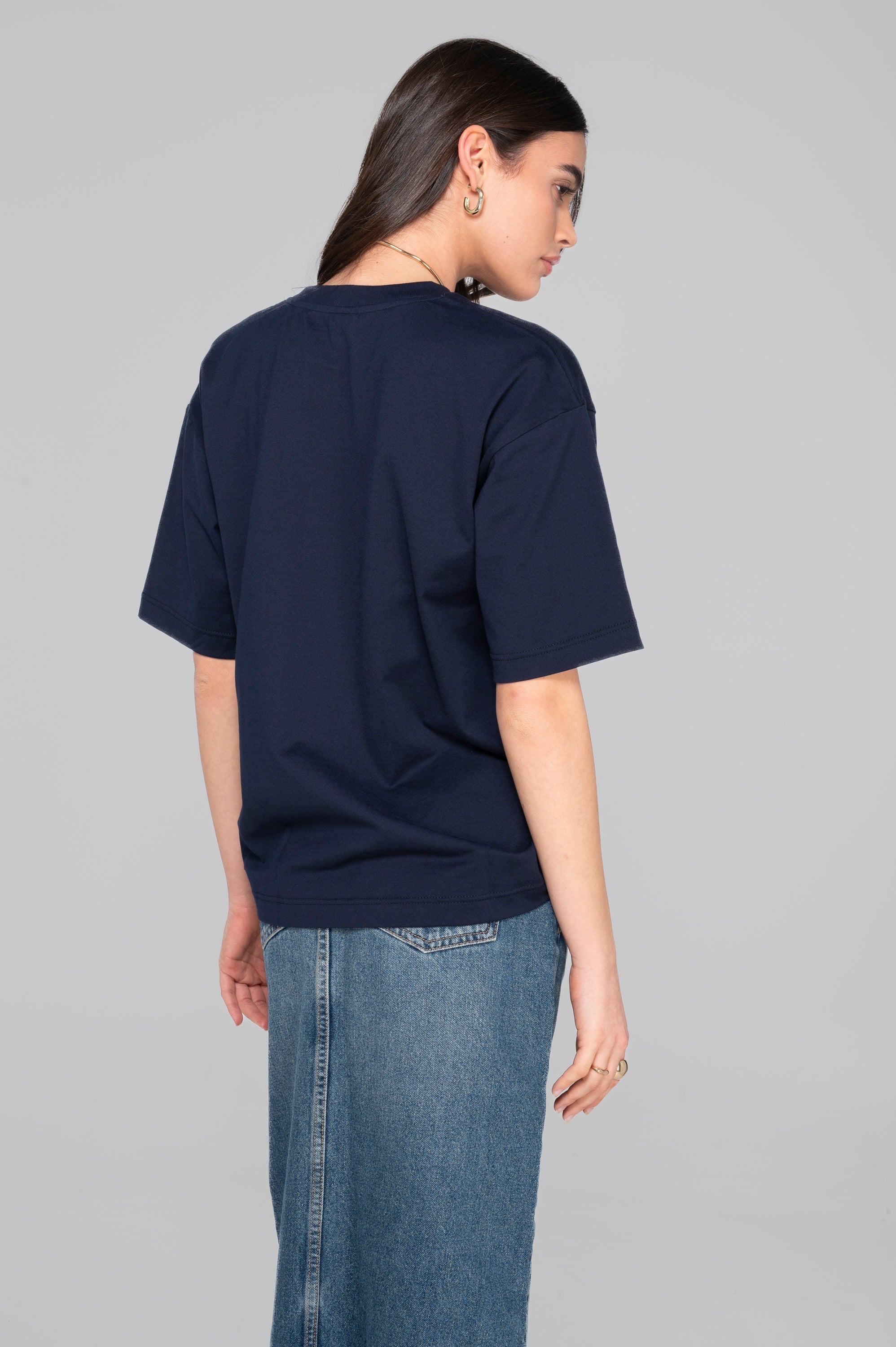
When we talk about reducing our environmental impact, we often think of complex actions. Yet one of the simplest and most powerful is to change how we shop choosing high-quality garments made to last over time and never go out of style. Think of evergreen pieces like a fine turtleneck or a simple yet incredibly versatile t-shirt.
In fashion, durability isn’t just about physical resistance, it’s also about attention to detail, timeless design, and materials that maintain their beauty and quality over time. Buying a well-made garment means extending its life cycle, reducing the need for frequent replacements, and therefore limiting production, resource use, and waste generation.
A long-lasting garment is a silent ally of sustainability. It follows us season after season without losing value. In fact, it gains meaning over time, because it tells a story.

Oscalito: Where Ethics Meets Beauty
Reducing environmental impact is a responsibility that Oscalito embraces through a vertical supply chain, with over 85% of production processes carried out in-house at its Turin facility. This production model reduces the need for transport, avoids unnecessary steps, and allows direct control over every phase, from yarn to finished garment, minimizing waste and emissions.
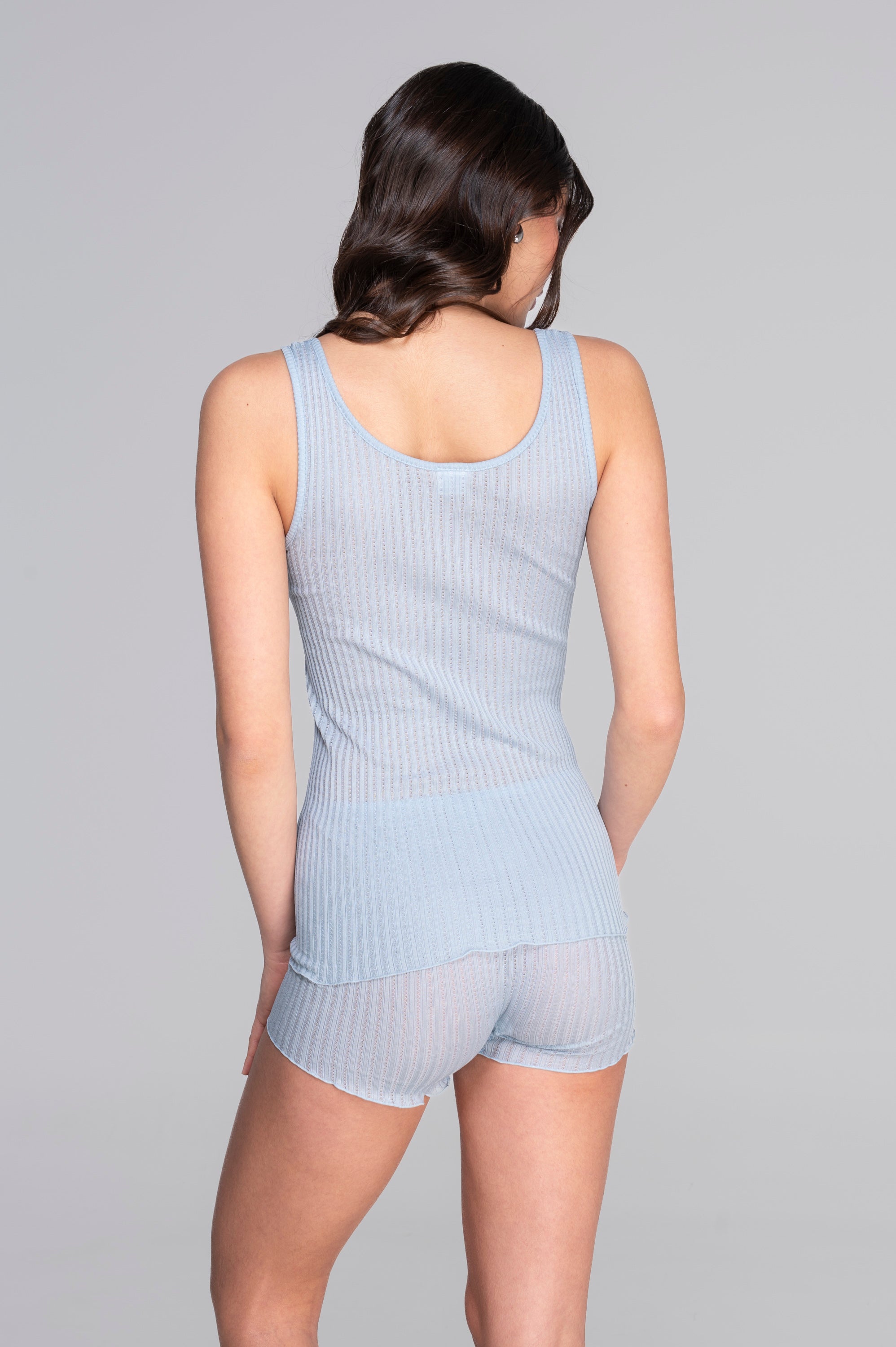
The fibres used are natural, noble, traceable, and certified: silk, extra-fine Merino wool, Egyptian Makò cotton, Micromodal. Raw materials are chosen not only for their quality but also for their biodegradability, durability, and environmental compatibility.
Every production leftover has value. In 2023, 100% of textile waste was recovered, sorted, and sent for recycling, a consistent choice that avoids landfill and extends the life cycle of the material.
Even the packaging reflects this vision: Oscalito uses recycled, recyclable, and low-impact materials to reduce the generation of non-reusable waste.
To ensure maximum transparency, each garment is equipped with RFID technology, which makes it possible to trace the entire journey, a way to provide clear information and to foster a deeper connection between the maker and the wearer.
For us, reducing environmental impact isn’t a branding exercise. It’s the result of a clear idea of beauty, one that’s rooted in care, consistency, and respect.