






Synthetic Fibers and Their Impact on Skin, the Environment, and Fashion
In recent years, we've learned to read food labels, distinguish natural ingredients from ultra-processed ones, and question where the products we consume actually come from. But when it comes to clothing, we rarely ask ourselves the same questions, overlooking one important detail: the effect of the fibers that stay in contact with our skin for hours, every single day.
Yet these are questions worth asking. Synthetic fibers influence how our skin breathes, how our bodies respond to heat and cold, the lifespan of our garments, and even the environmental impact of the fashion industry. Behind a seemingly soft polyester fabric lie petroleum-based materials, microplastics released with every wash, and some of the most polluting manufacturing processes in the textile industry.
This article isn't meant to convince you to change your wardrobe overnight. Instead, it aims to do something far more useful: explain what truly lies behind synthetic fibers and the impact they leave on both your skin and the environment. Keep reading—you may never look at your clothes the same way again.

Table of Contents
- What Are Synthetic Fibers and Why Are They So Common?
- Synthetic Fibers and Skin: What Really Happens?
- From Your Wardrobe to the Landfill: The Environmental Impact of Synthetic Fibers
- Fast Fashion: The Business Model That Made Synthetic Fibers Essential
- The True Value of Natural Fibers
What Are Synthetic Fibers and Why Are They So Common?
Synthetic fibers are produced through industrial chemical processes. Polyester, nylon, acrylic, elastane, and polypropylene are all derived primarily from petrochemicals, meaning they originate from petroleum. Their production expanded rapidly after World War II as the textile industry searched for inexpensive materials capable of meeting the growing demand for affordable clothing.
The reasons behind their commercial success are straightforward: they are inexpensive to manufacture, withstand frequent washing, and can easily be treated to achieve a wide range of properties, from wrinkle resistance and water repellency to added stretch. For manufacturers producing on a large scale while maximizing profit margins, they are an ideal solution. For the people who wear them, however, the story is rather different.
Today, the global synthetic textiles market is worth billions of dollars and continues to grow, driven largely by the fast fashion model that has transformed clothing into a disposable commodity. But growth does not necessarily mean progress. The low price of synthetic fibers often conceals costs that are ultimately paid elsewhere—by our bodies, by the environment, by future generations, and by the people who produce our clothes.
Synthetic Fibers and Skin: What Really Happens?
The human body breathes through the skin. This isn't simply a figure of speech—it's basic physiology. Our skin regulates body temperature, releases perspiration, and continuously interacts with the surrounding environment. Wrapping it in a synthetic fabric that limits these natural exchanges inevitably interferes with these essential functions.

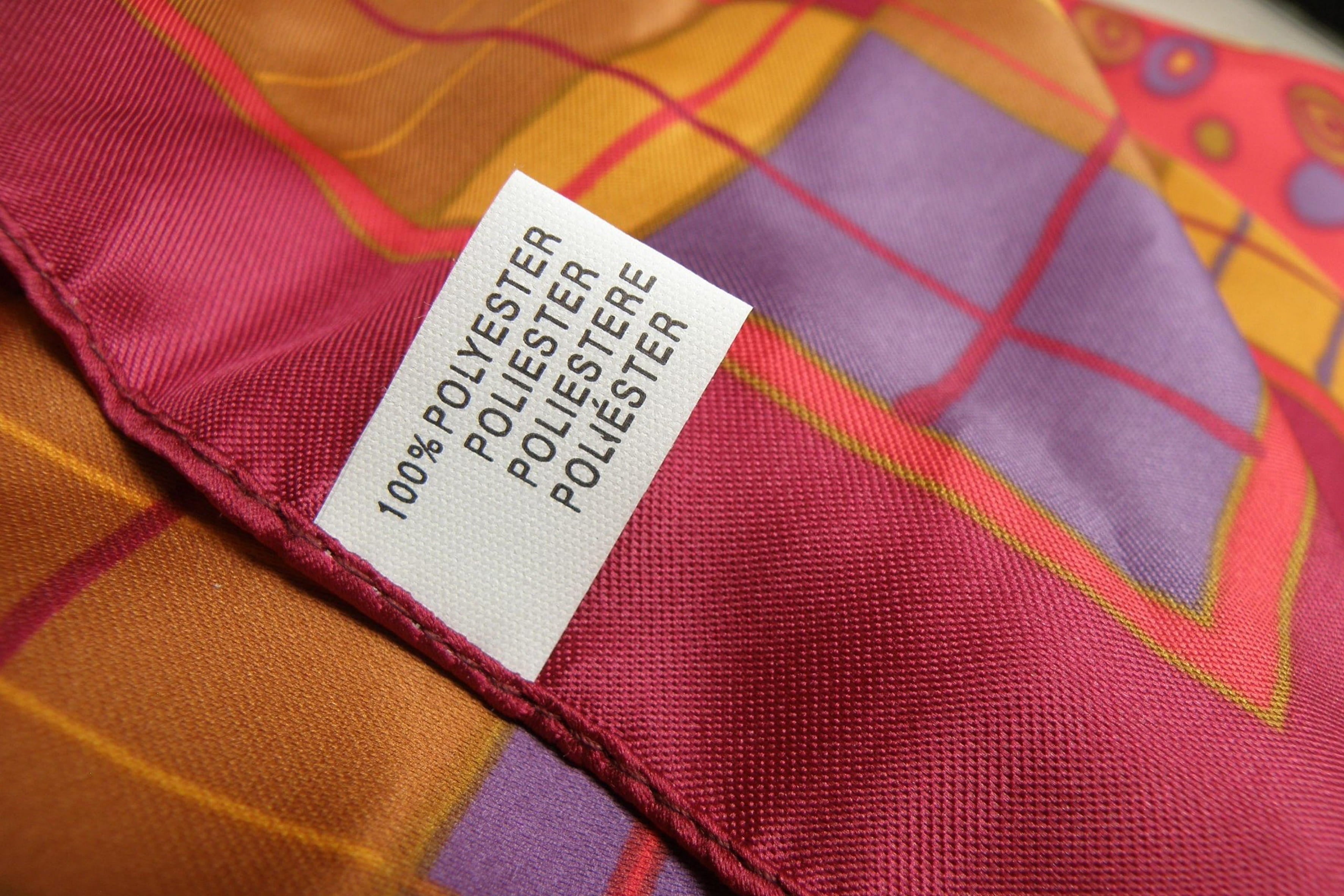
Synthetic fibers that come into direct contact with the skin, such as polyester, do not absorb moisture. Instead, they repel or trap it, creating a warm, humid microclimate that encourages bacterial growth. The result? Persistent odors, skin irritation, and itching. People with sensitive skin or conditions such as dermatitis may notice these effects more quickly, but the issue extends far beyond those with specific skin concerns. The comfort of a fabric is something everyone experiences in the most literal sense: spending an entire day wearing natural fibers feels very different from wearing synthetic clothing.
There is also the question of chemical finishes. To achieve characteristics such as nylon's sheen, acrylic's artificial softness, or polyester's wrinkle-resistant properties, synthetic fabrics are often treated with chemical additives that can gradually break down through exposure to sweat and body heat. Some of these substances—including certain azo dyes and flame retardants—have been the subject of long-term health and safety research, particularly within the framework of the European REACH regulation.
From Your Wardrobe to the Landfill: The Environmental Impact of Synthetic Fibers
The environmental impact of synthetic fibers begins long before a garment reaches your wardrobe. Producing polyester, for example, requires petroleum-based raw materials and energy-intensive manufacturing processes that generate CO₂ emissions, chemical waste, and contaminated wastewater. According to the United Nations Environment Programme (UNEP), the fashion industry is responsible for between 2% and 8% of global CO₂ emissions and for approximately 9% of the annual microplastic pollution entering the oceans.
The problem doesn't end once a garment has been produced. Synthetic fabrics are not biodegradable. A polyester garment discarded in a landfill can take hundreds of years to decompose, gradually releasing chemicals into the soil. Incineration is often presented as an alternative, but it also generates harmful emissions.
Although synthetic fibers can be recycled, the reality is that recycling remains limited. Blended fabrics—such as polyester mixed with cotton or nylon combined with elastane—are extremely difficult to separate, and the technologies needed to recycle them efficiently on a large scale are still far from widespread. The truth is much simpler, and far less reassuring: the vast majority of synthetic garments ultimately end up buried in landfills or burned.
For this reason, discussing the environmental impact of clothing is not alarmism—it is simply acknowledging that every purchasing decision has consequences. Some of those consequences are delayed, but sooner or later, they always catch up with us.

Microplastics: The Hidden Cost of Every Wash
Every time a polyester, acrylic, or nylon garment is washed, hundreds of thousands of microscopic plastic fibers are released into the water. These particles—measuring less than five millimeters—are difficult for wastewater treatment plants to capture, allowing them to reach rivers, oceans, and ultimately even our food chain.
According to the European Environment Agency (EEA) , washing synthetic textiles is one of the leading sources of microplastic pollution in marine environments. Every year, the textile industry contributes hundreds of thousands of tons of these invisible particles to the environment.
Microplastics have already been detected in drinking water, sea salt, and a variety of beverages. According to the World Health Organization (WHO), further research is still needed to fully understand their long-term effects on human health. One thing, however, is already certain: plastic released into the environment does not simply disappear.
The textile industry still faces many sustainability challenges, and natural fibers are not the answer to every one of them. But when it comes to microplastic pollution, they make a meaningful difference. A wool or organic cotton fiber that passes through the washing machine does not release plastic particles—it naturally biodegrades and eventually returns to the earth.
Fast Fashion: The Business Model That Made Synthetic Fibers Essential
Fast fashion is built on a simple principle: produce as much as possible, at the lowest possible cost, introduce new collections every few weeks, and make consumers feel that what they bought yesterday is already outdated. To achieve this, it relies on inexpensive raw materials, underpaid labor, and fabrics that look appealing but are not designed to last. Synthetic fibers fit these requirements perfectly.
Slow fashion emerged as a conscious alternative. It is neither an aesthetic trend nor a niche market, but a different way of producing and consuming clothing—one that places quality, durability, respect for the people who make garments, and care for the environment back at the center. It means buying less and choosing better. It means favoring materials that have genuine value. It means understanding that when a garment costs more, it is often because it offers more: authentic craftsmanship, a transparent supply chain, and fibers produced without demanding more from the planet than necessary.
This is the philosophy that has guided Oscalito since 1936. For decades, the company has crafted garments from premium natural fibers designed to stand the test of time, far removed from the disposable logic of fast fashion. In a market driven by speed and overproduction, choosing materials such as Egyptian Makò cotton, Merino wool, or silk means embracing a different vision of fashion—slower, more conscious, and more respectful of both people and the environment.
Sustainable fashion is not a luxury reserved for a privileged few. It represents a cultural shift that is reshaping consumer expectations and, gradually, the way brands choose to design, manufacture, and communicate their products. More and more people want to know what they are wearing—and why. Which makes it worth taking a closer look at what natural fibers truly have to offer.
The True Value of Natural Fibers
The benefits of natural fibers extend far beyond sustainability. They can be felt against the skin, appreciated through years of wear, and experienced every day in the comfort they provide.
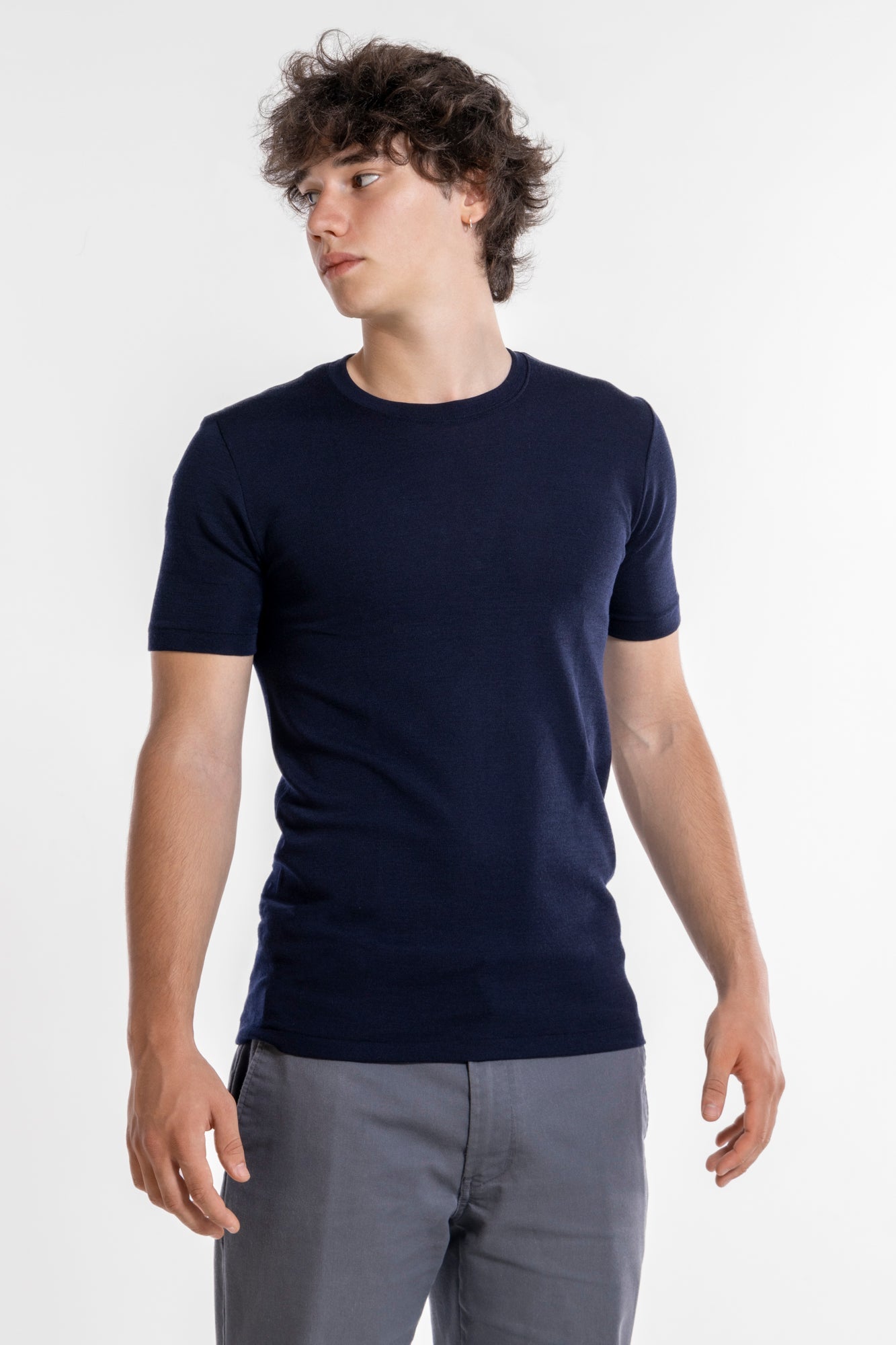
Each natural fiber has its own unique qualities. Wool, for example, keeps you warm when temperatures drop while helping release excess heat when it is warm. It absorbs moisture without feeling damp and naturally resists bacterial growth. Organic cotton is soft, hypoallergenic, and often becomes even more comfortable after repeated washing. Silk, despite its remarkable lightness, is exceptionally strong and naturally temperature regulating. Linen, although sometimes perceived as stiff at first, gradually softens over time until it feels almost like a second skin.

Added to these qualities is an environmental benefit that cannot be separated from the conversation about well-being. Natural fibers do not release microplastics, they are biodegradable, and—when produced according to recognized standards such as the Global Organic Textile Standard (GOTS)—they also support traceable supply chains and more responsible manufacturing processes.
There is also something that cannot be measured in technical specifications: the feeling of wearing natural fibers. The softness against the skin. The comfort of a garment that doesn't irritate, overheat, or lose its quality after just a few washes. Those who have experienced the difference rarely go back—not simply because of environmental values, but because the difference is genuinely noticeable.
This doesn't mean that everything natural is automatically sustainable or of high quality. It simply means that, when it comes to clothing, natural fibers remain one of the most thoughtful choices available. Choosing better isn't a sacrifice. It's simply choosing the right side of the story.