




Is Merino Wool a Sustainable Choice?
Merino wool is a fibre that combines elegance and sustainability. Today more than ever, we are called to make conscious choices when it comes to what we buy. Choosing Merino wool over synthetic alternatives is a way to show respect for the environment, for the people who work with it, and for those who wear it.
Its story begins in the pastures where Merino sheep graze and continues all the way to you, wearing it means choosing a natural and renewable fibre. Every Merino wool garment tells a story of elegance and a perfect balance between comfort and style. Merino wool is biodegradable, ethical, and ideal for those who value sustainability and wellbeing.
In this article, you’ll discover why Merino wool is more than just a fine fibre, it’s a soft, gentle, and sustainable yarn. From its natural uniqueness to the benefits it offers, we’ll explore how this material can transform your wardrobe and support a more sustainable, mindful approach to fashion. Curious to find out how Merino wool can revolutionise your style?

Table of Contents
- From the Australian Hills to Sustainable Fashion
- The Qualities of Merino Wool
- A Natural Life Cycle
- A Fine Thread for True Luxury: Extrafine Merino Wool
- The Perfect Care for Your Merino Wool Garments
- Oscalito and Merino Wool: Where Style Meets Conscious Living
From the Australian Hills to Sustainable Fashion
Merino wool has an ancient and fascinating story, deeply connected to humanity’s enduring quest for noble, functional materials to protect and adorn the body. Originally from Spain, Merino sheep were first bred by noble families for their exceptionally fine fleece, considered a true national treasure.
In the 18th century, some of these prized sheep were exported to Australia and New Zealand, where they found the perfect climate to thrive and became symbols of a new era in sheep farming.
The wide open spaces and mild weather in these regions allowed Merino sheep to develop an even finer and softer fiber, giving rise to what is now considered one of the best wools in the world. Since then, Merino wool has conquered the global market, becoming a key material in the luxury textile industry.
But the true secret of Merino wool lies not only in its unparalleled quality: it is a fiber that bridges tradition and innovation, remaining faithful to sustainable practices that respect animal welfare and the land where these sheep graze.
The Qualities of Merino Wool
Merino wool is a fiber that captivates from the very first touch, but its qualities go far beyond softness alone. Loved for its gentle feel against the skin, Merino wool is also one of the most versatile and high-performing natural fibers.

Unlike traditional wool, Merino stands out for its unique ability to adapt to any season. Cool in summer and warm in winter, Merino wool is naturally thermoregulating: its breathable fibers help the body maintain an optimal temperature, keeping out the cold or releasing excess heat during warmer months.
One of the most valuable benefits of Merino wool is its remarkable ability to absorb moisture. Its fibers retain humidity without feeling wet, making Merino garments ideal for busy days or unpredictable climates.
And there’s more: the structure of the fiber makes it naturally odor-resistant, a highly appreciated feature for those who seek clothing that blends practicality, elegance, and comfort.
Another standout quality is its resistance to wrinkling, making it perfect for those who want to look impeccable without worrying about constant maintenance.
Last but not least is its biodegradability. Unlike synthetic fibers, which can take decades or even centuries to break down, Merino wool decomposes naturally in just a few years. It offers not only immediate comfort to the wearer but also contributes to a more positive environmental impact.
A Natural Life Cycle
Merino wool stands out as one of the most sustainable materials available today. Its life cycle is deeply connected to nature, offering a renewable and biodegradable fiber that respects both animal welfare and the planet.
Merino sheep, shorn once a year, naturally produce wool without the need for intensive industrial or chemical processes. Unlike synthetic fibers, which require vast amounts of non-renewable resources and contribute to microplastic pollution, Merino wool regenerates annually. This makes it an ethically conscious choice: a resource that doesn’t deplete the planet, but renews itself with the rhythm of life.
The sustainability of Merino wool is also supported by international certifications, such as the Responsible Wool Standard (RWS), which guarantees the welfare of wool-producing sheep and responsible land management. This means that every stage of production, from farming to finished garment, is traceable and transparent, ensuring your clothing choice is not only aesthetically refined but also ethically sound.
At Oscalito, we embrace this holistic approach through our philosophy of slow production and our commitment to natural fibers, combining artisanal excellence with deep environmental respect.
A Fine Thread for True Luxury: Extrafine Merino Wool
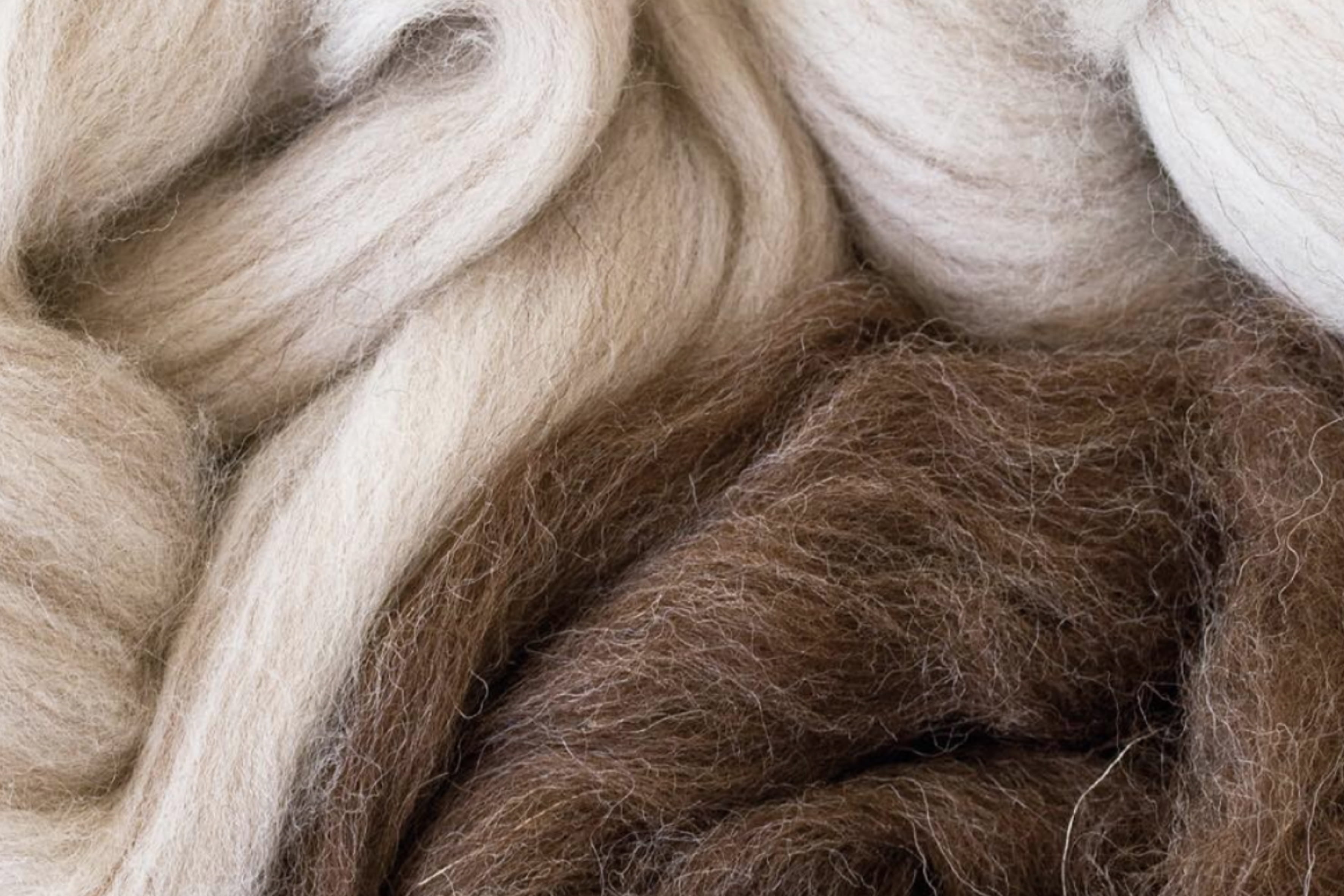
When talking about Merino wool, it’s impossible not to mention its most refined version: extrafine Merino wool. With a diameter of less than 18.5 microns, this luxurious fiber is exceptionally soft and silky to the touch, one of the finest in the world of natural materials.
In addition to its extraordinary finesse, extrafine Merino wool retains all the hallmark qualities of standard Merino: it’s thermoregulating, breathable, and naturally odor-resistant. It adapts effortlessly to both cold and warm climates, while also being naturally elastic and durable.
The Perfect Care for Your Merino Wool Garments
Taking care of your Merino wool garments is simple, and following a few essential steps will ensure they stay as beautiful as the day you bought them. For washing, it’s best to choose a gentle cycle at low temperatures (maximum 30°C) or wash by hand in cold water using a detergent specifically designed for wool. Avoid fabric softeners and bleach, as they can alter the fiber’s natural properties.
After washing, do not wring your Merino garment. To dry, avoid using a tumble dryer and lay the item flat away from direct sunlight or heat sources, which can damage the wool, excess heat may cause the fibers to fade or dry out. Merino wool is naturally wrinkle-resistant, so your garments will return to their original shape without the need for ironing.
With these simple care tips, your Merino wool pieces will retain their softness, beauty, and performance for many years, always looking and feeling flawless.

Oscalito and Merino wool: Where Style Meets Conscious Living
What does it really mean to wear a garment that respects nature? When we choose Merino wool for our collections, we are guided by a genuine passion for quality and a deep respect for the planet, and for your skin. That’s why we use only certified, strictly mulesing-free Merino wool.
But what does mulesing-free mean? Mulesing is a practice, unfortunately still used in some parts of the world, which involves removing a portion of the sheep’s skin to prevent infections. We are firmly opposed to this painful technique. All our wool comes from farms that reject mulesing, ensuring the animals' well-being. For us, sustainability is not only about the environment, it’s also about respecting every living being involved in the production chain.
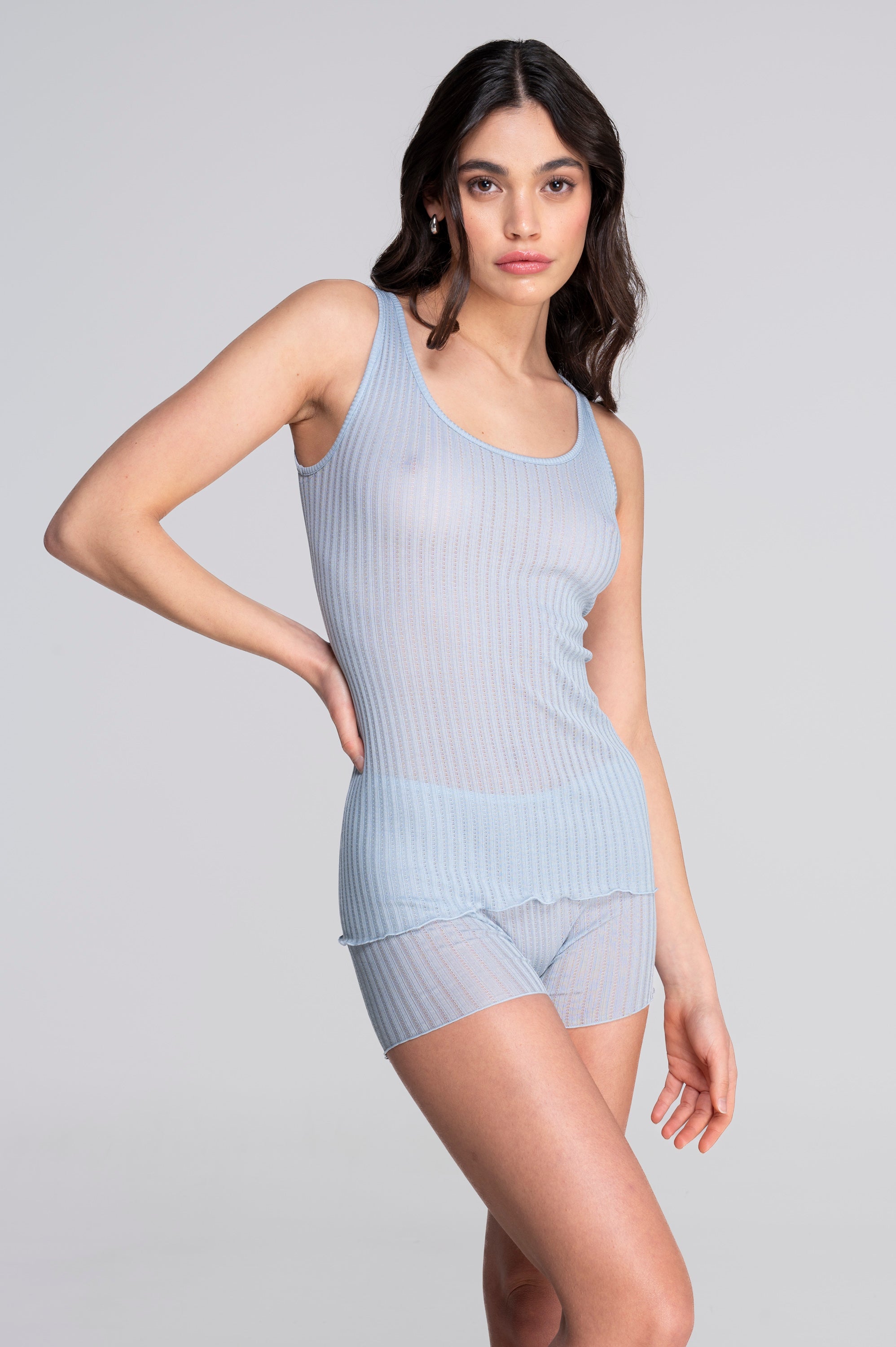
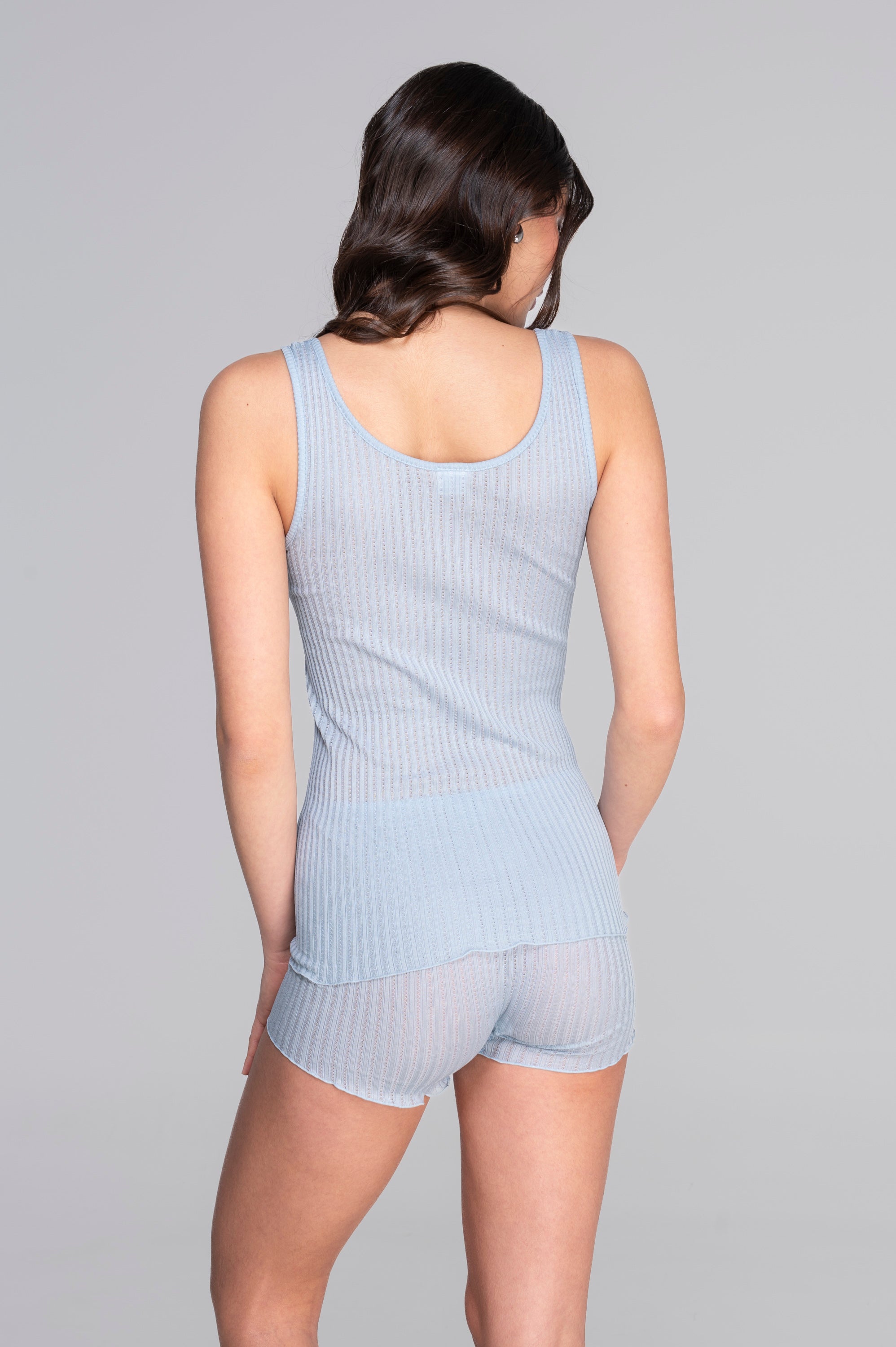
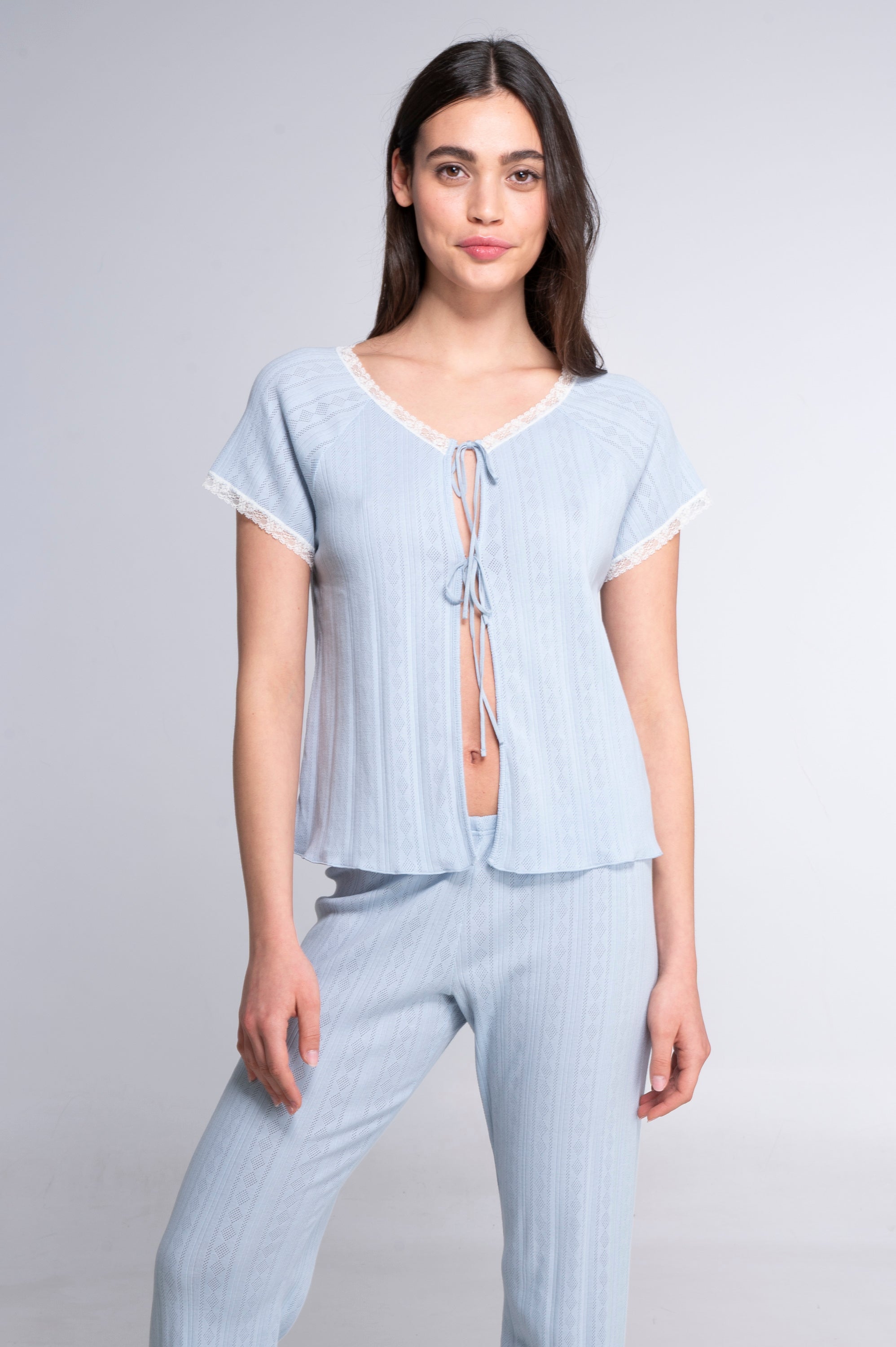
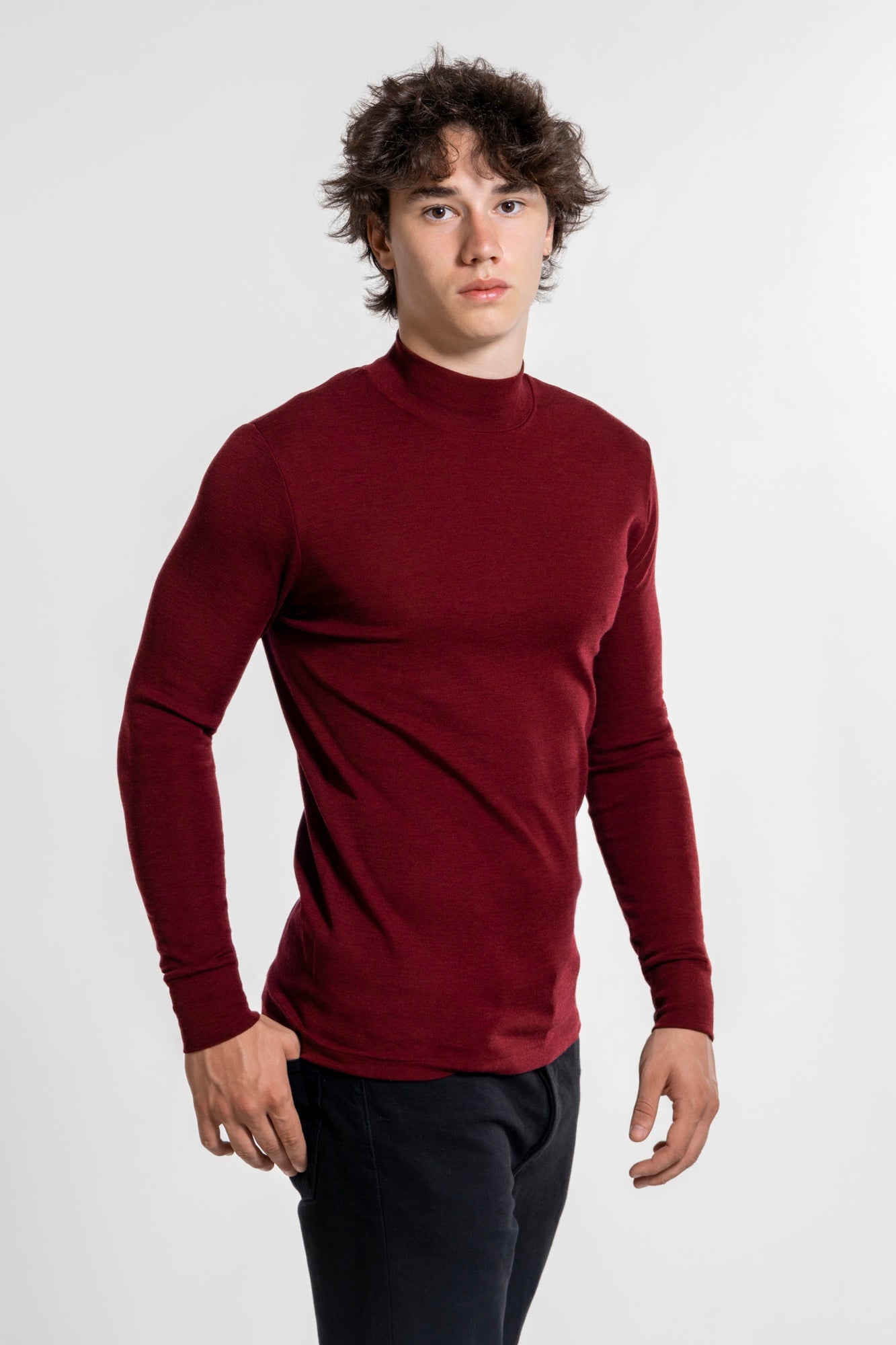
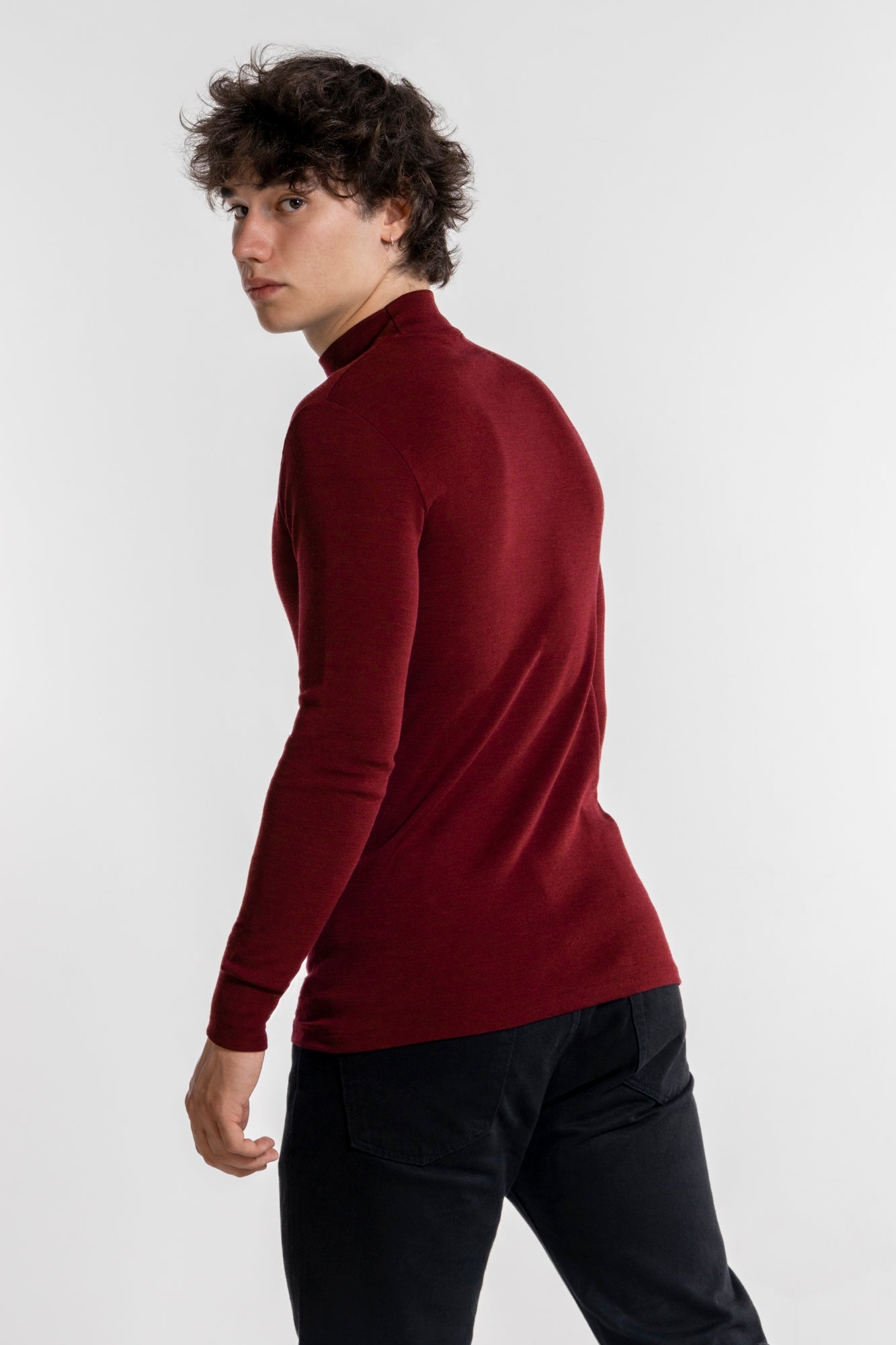
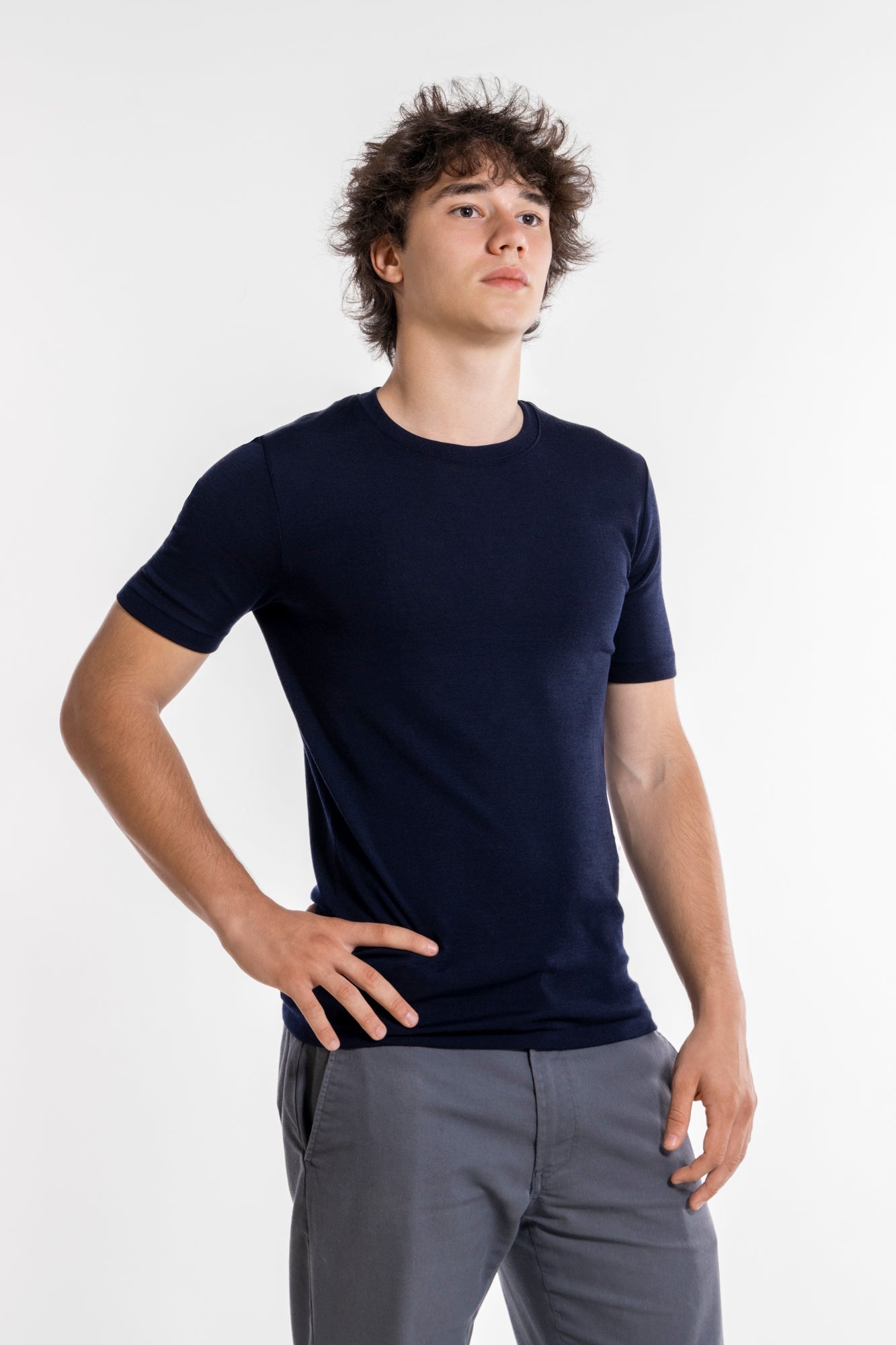
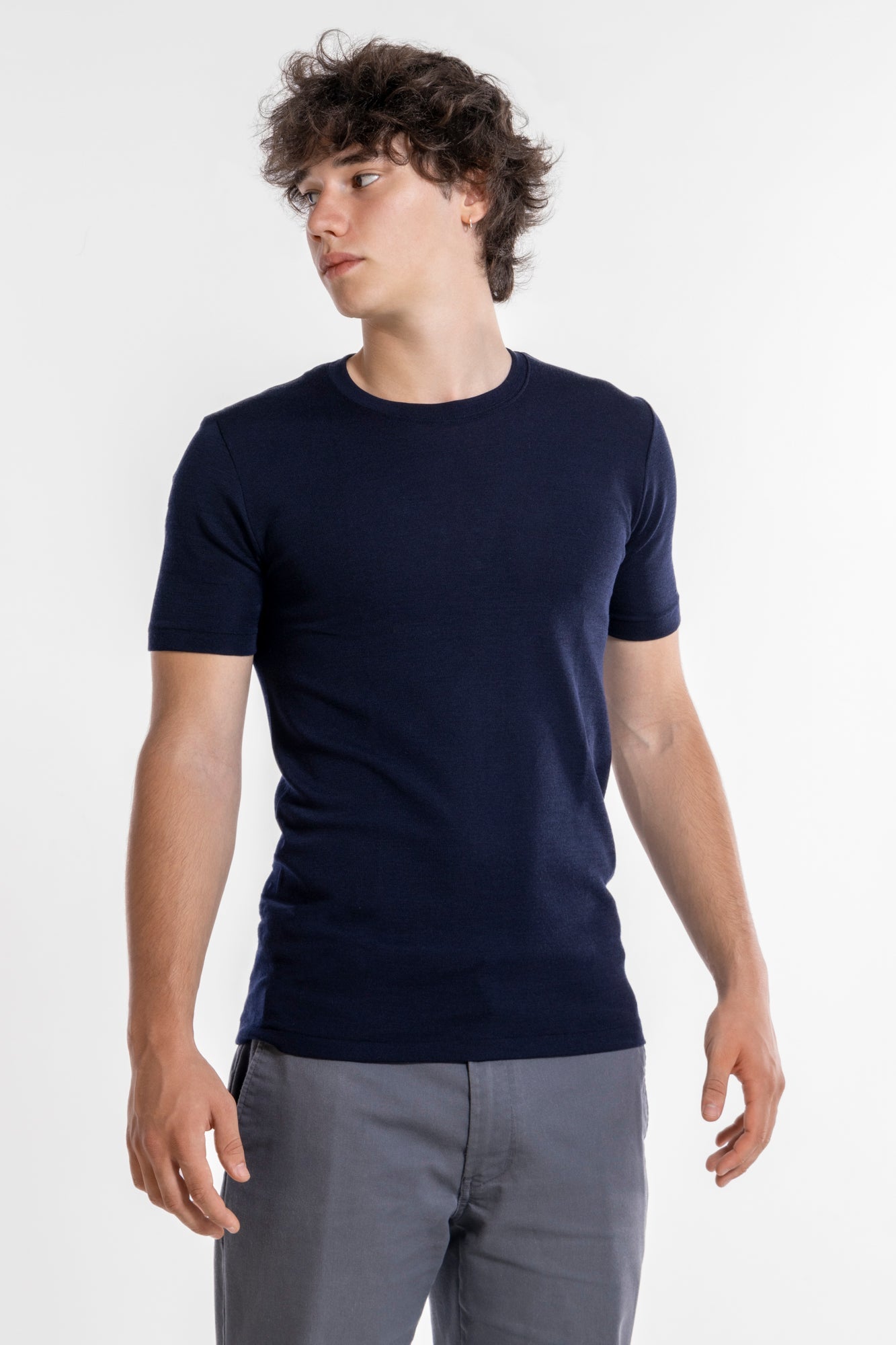
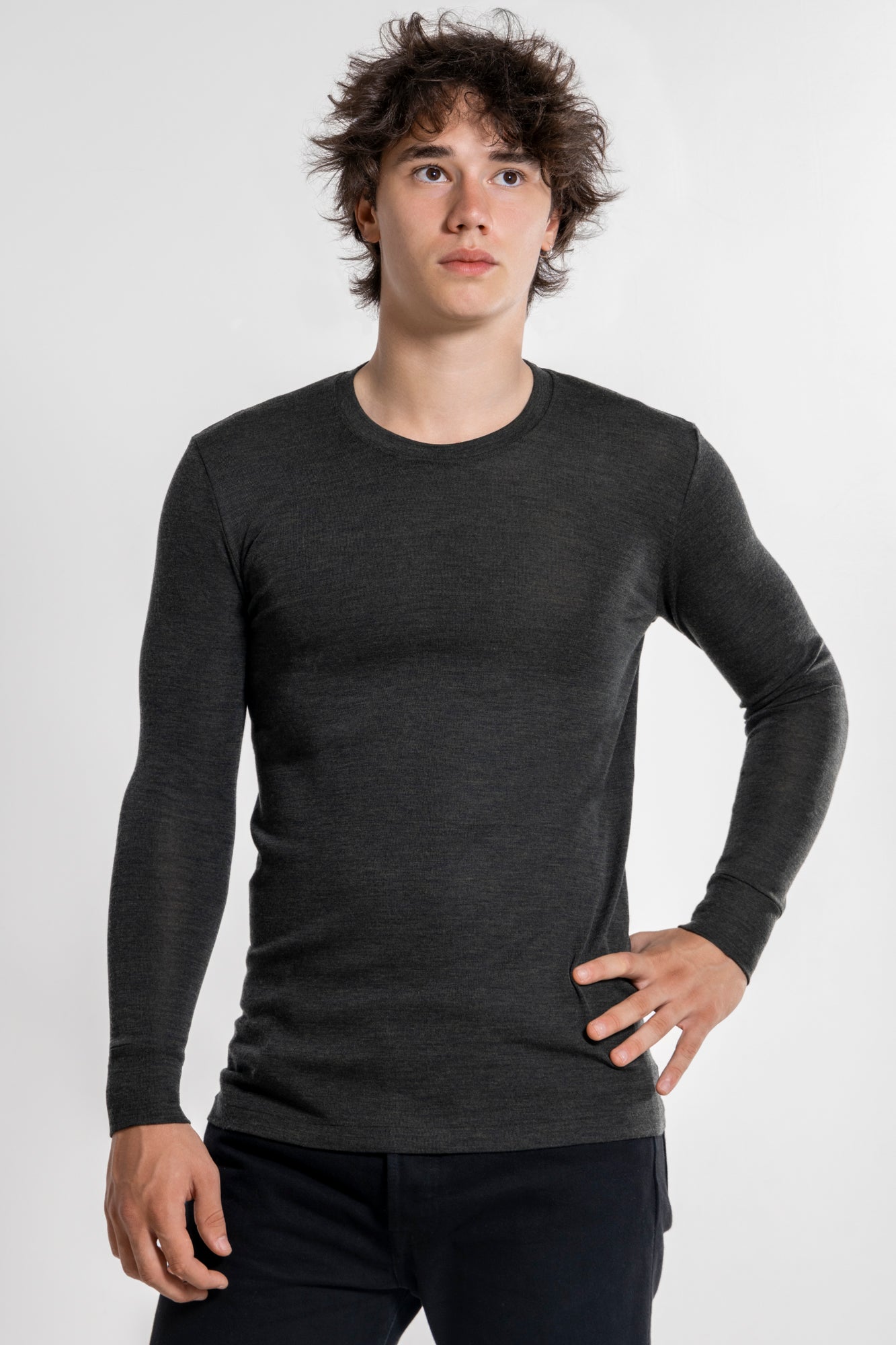
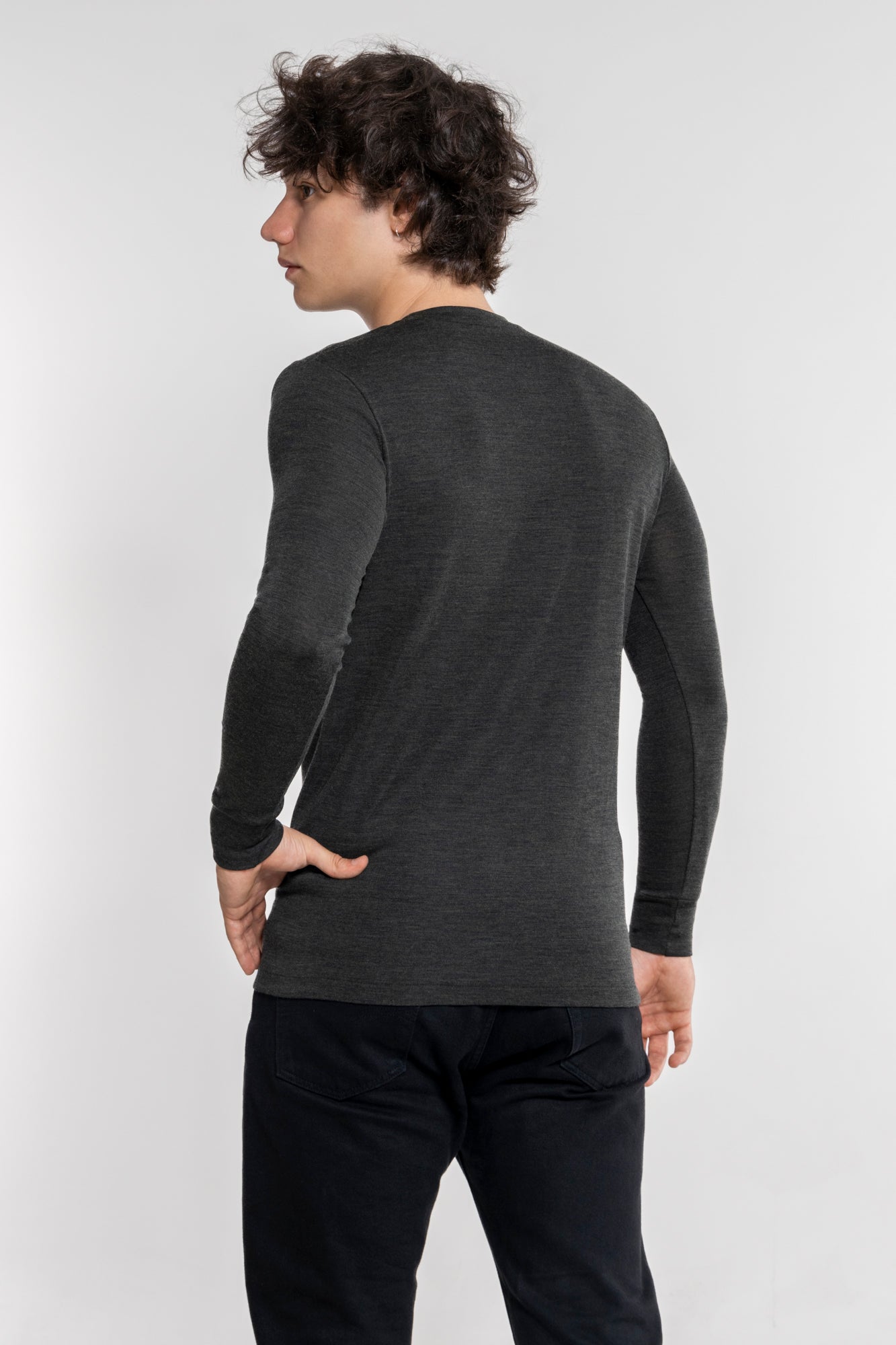
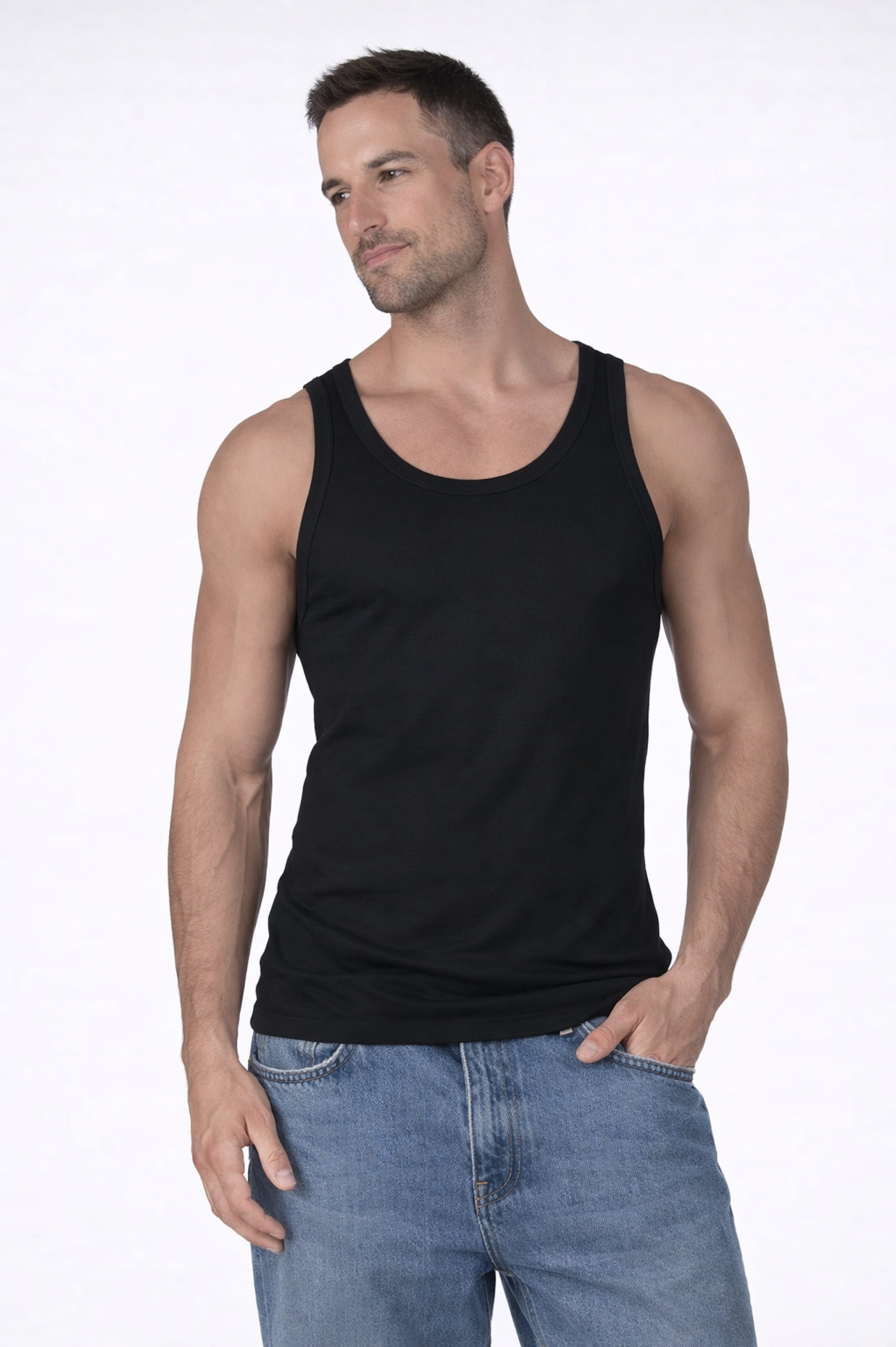
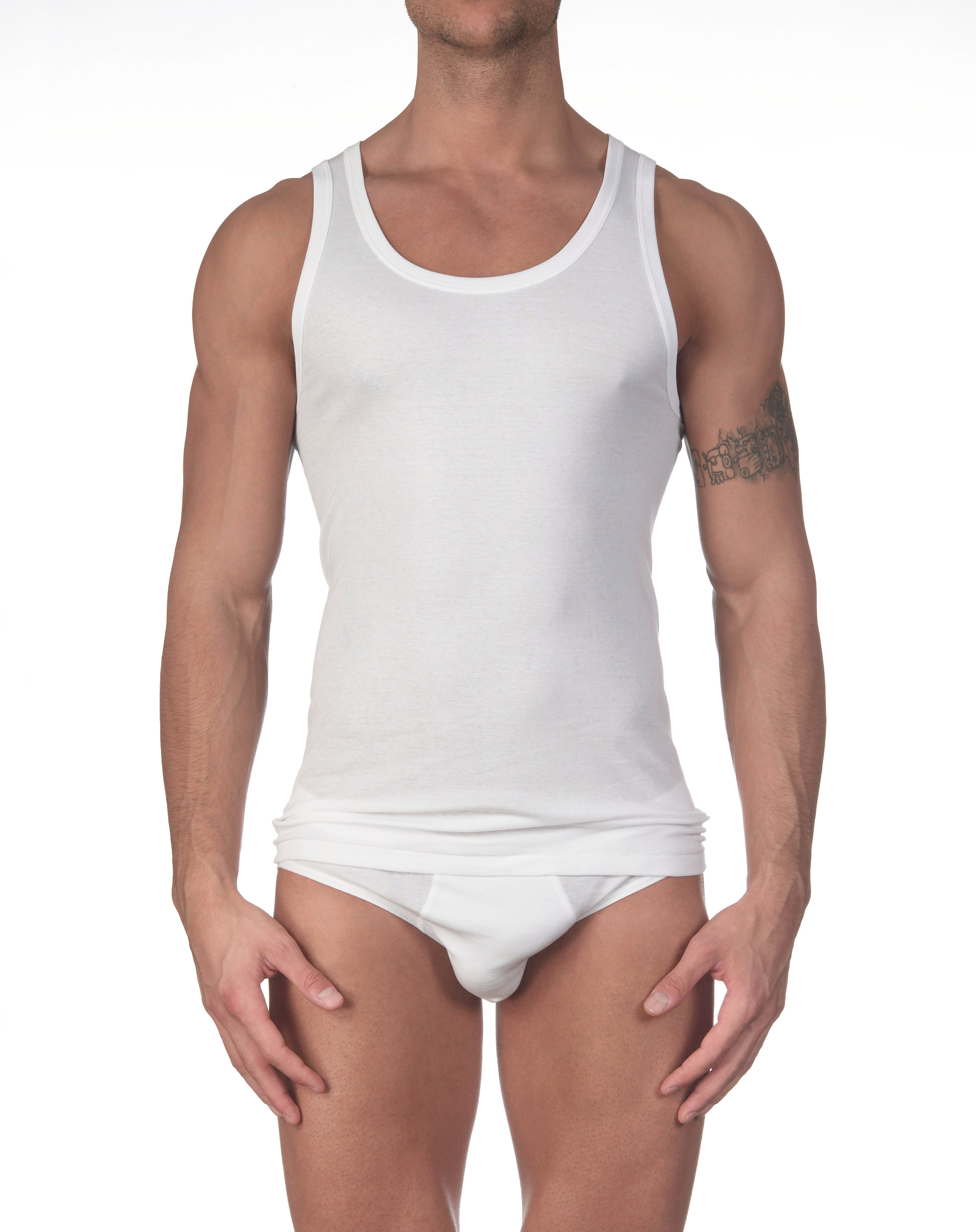
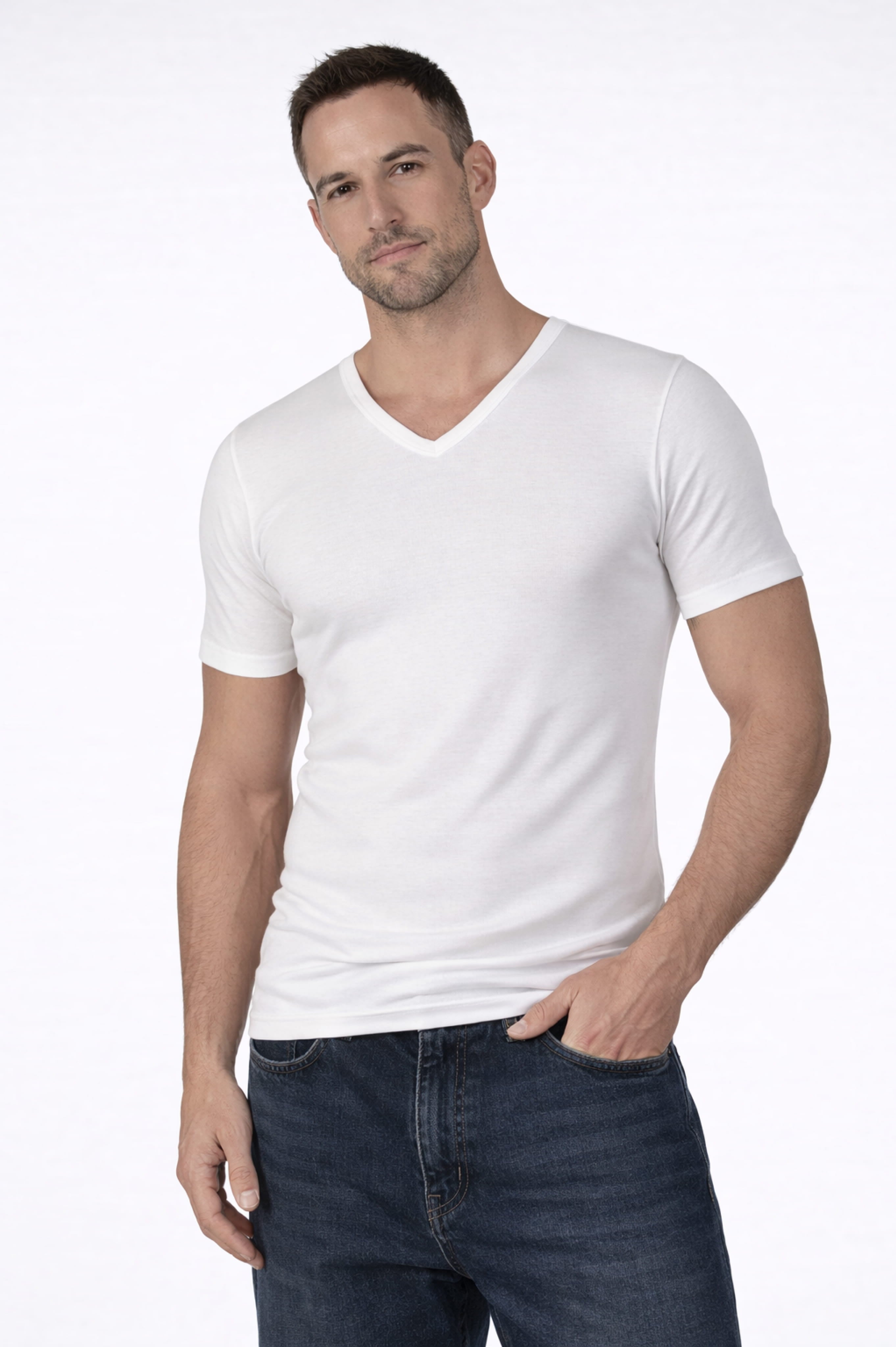
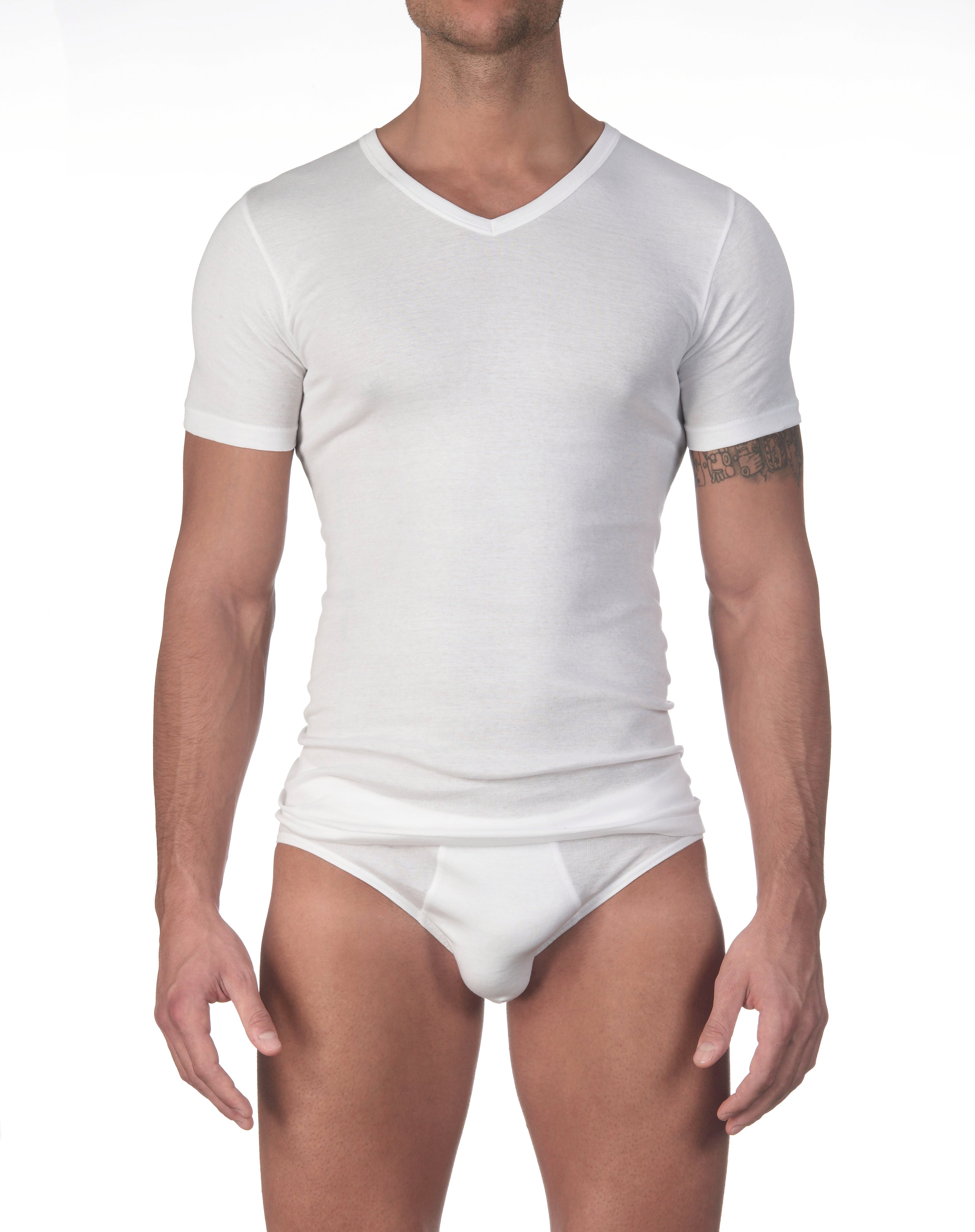
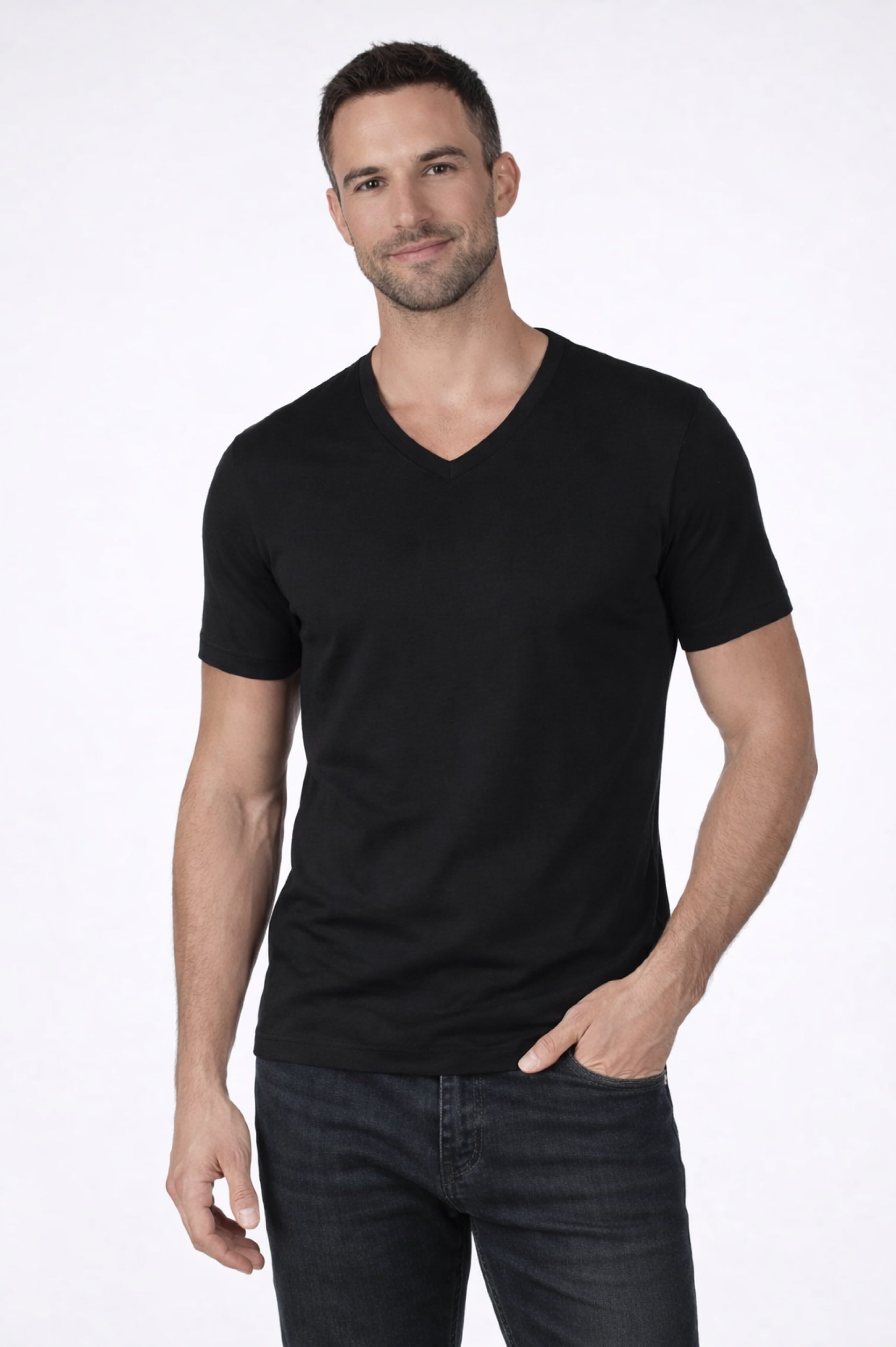
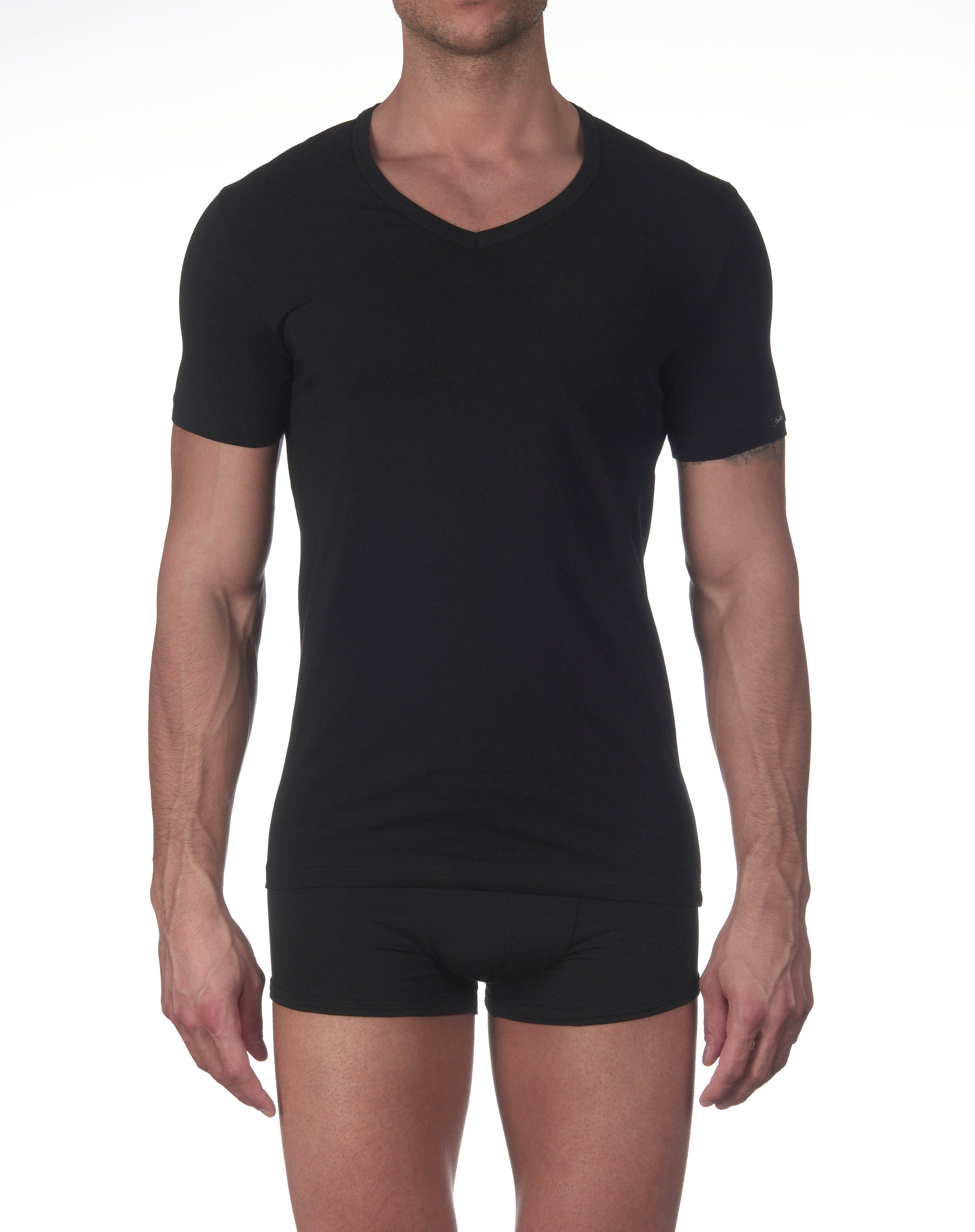
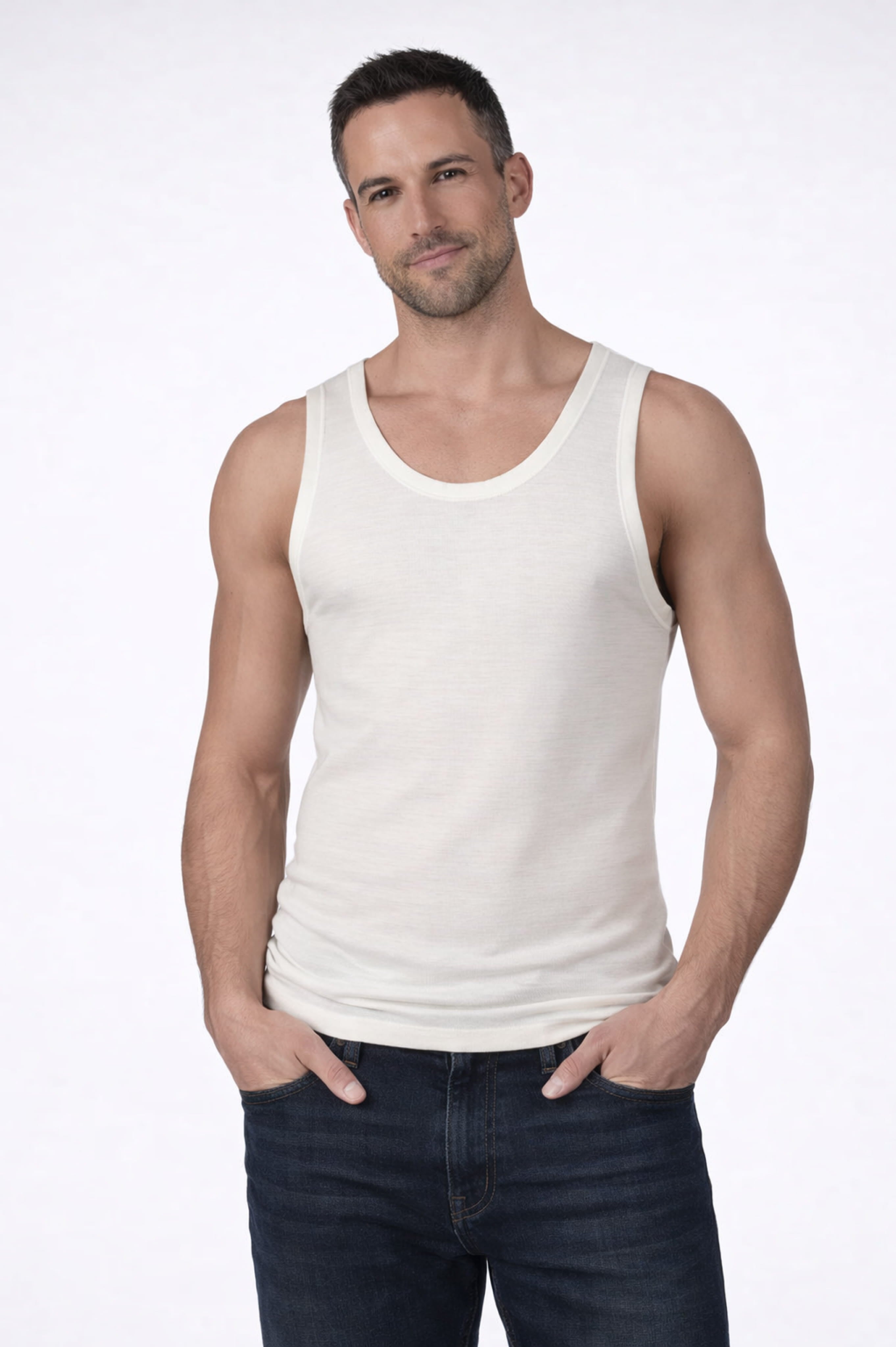
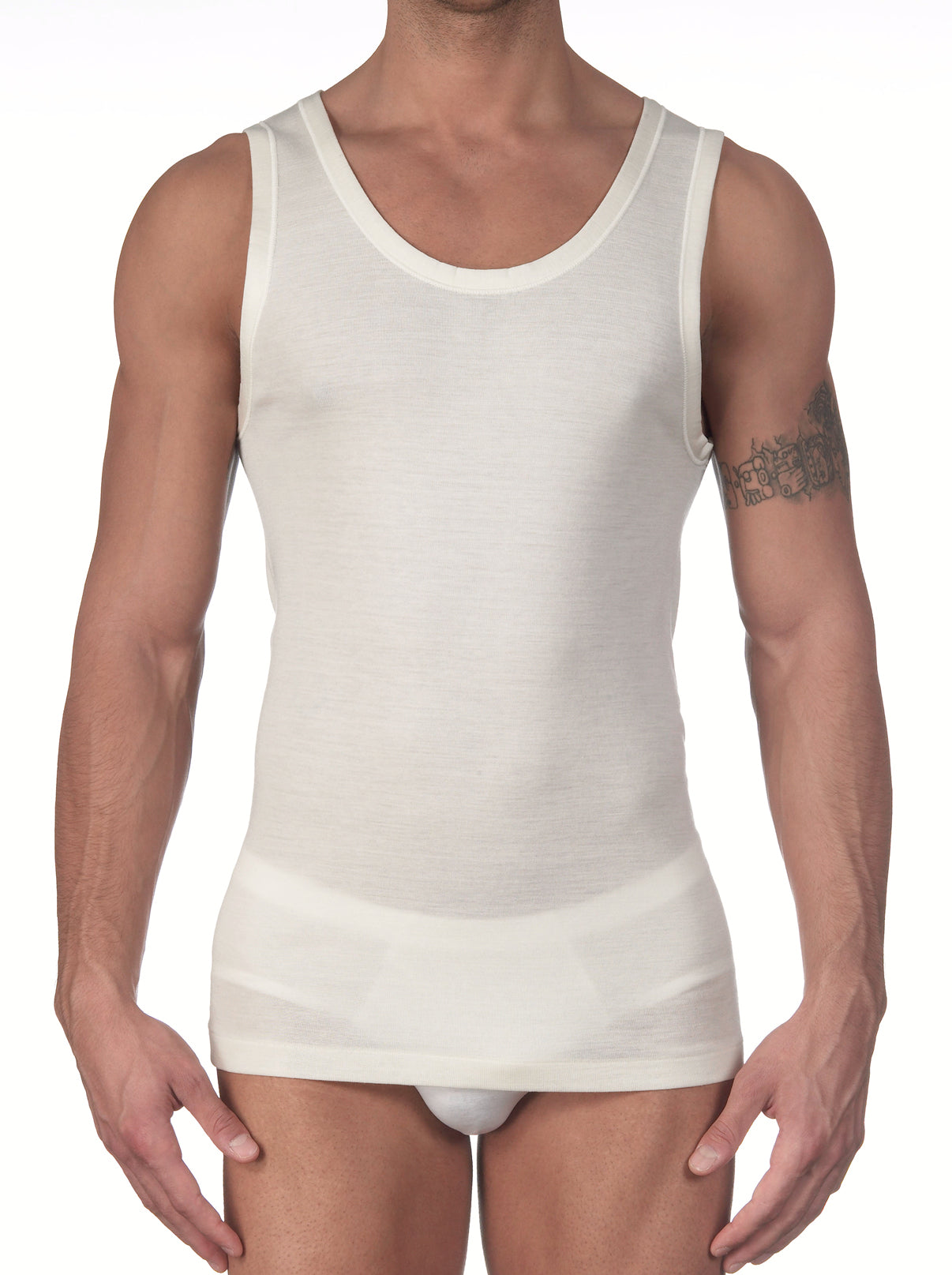
So, what does it really mean to you to wear a garment that embodies these values? Our women's and men's Merino wool collections are born from this very intention: to offer garments imbued with the values we hold most dear, quality, sustainability, and well-being. Every piece we create is designed to last, to comfort you, and to help you feel not only your best, but also part of a movement that looks to the future with responsibility and awareness.