







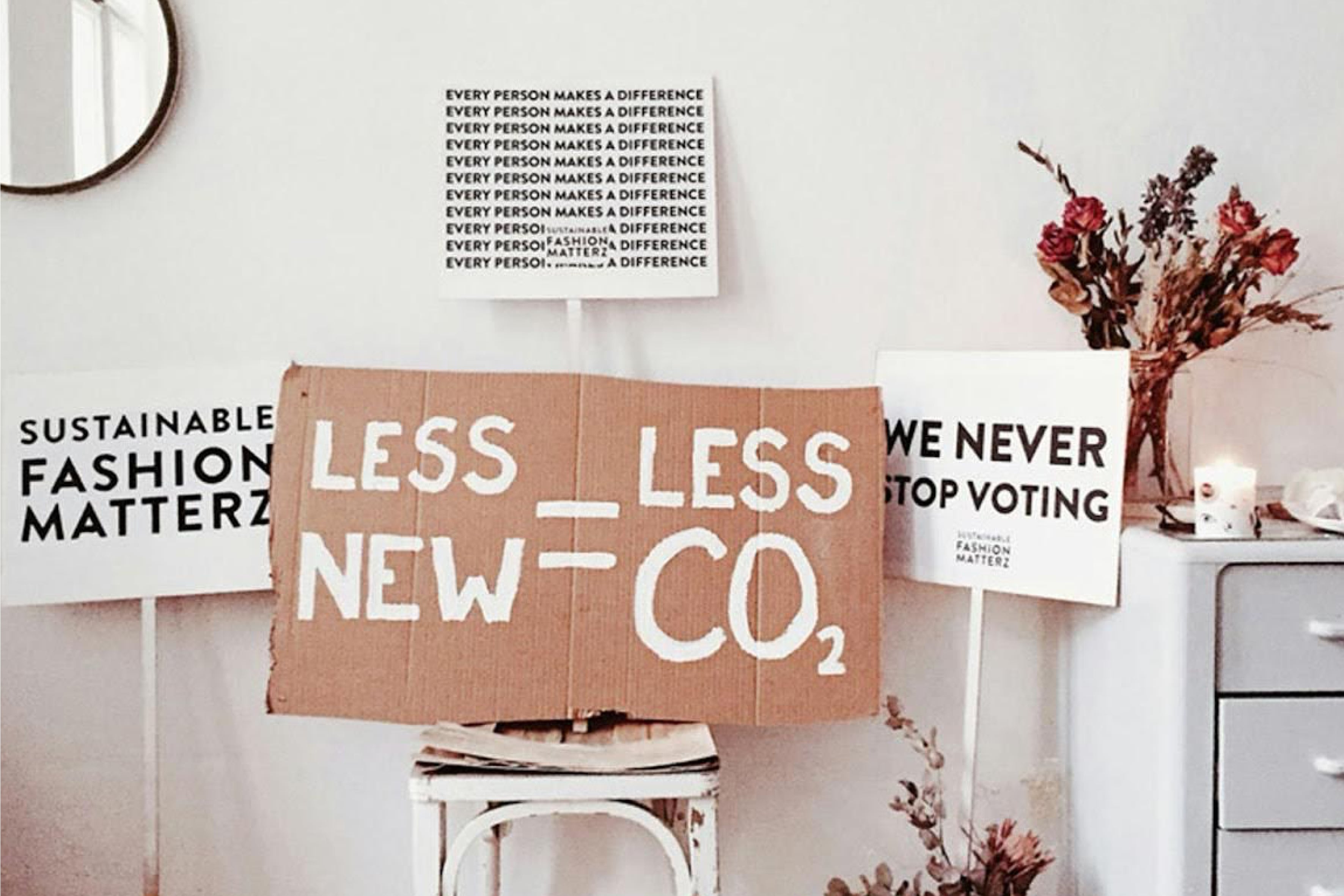
Towards a Carbon Neutral Future: the Challenges of Sustainable Fashion
In the collective imagination, fashion is a world of allure and creativity, where beauty takes center stage. But behind the shimmering surface lies an invisible cost: CO₂ emissions, water waste, and the overexploitation of natural resources. Over the past decades, the fast fashion race has only worsened this impact, turning clothing into disposable items and distancing us from a vision of fashion that respects time, labor, and the planet.
Today, the industry is in urgent need of transformation: to become more responsible, more conscious. Words like “sustainability” are no longer buzzwords but starting points for a radical rethink, reducing what we consume, choosing renewable energy, designing garments that last and can be reused or repaired. Fashion is now called to pursue an ambitious yet essential goal: carbon neutrality.
In this article, we’ll explore the challenges the fashion industry must face and the opportunities it can embrace. You’ll discover how aiming for carbon neutrality means reinventing processes, materials, and habits. And why this shift involves everyone: producers, designers, and consumers alike.

Table of Contents
- Fashion at a Sustainability Crossroads
- Carbon Neutral and Carbon Neutrality: Beyond the Buzzwords
- The Challenge of Environmental Sustainability and the Issue of Fast Fashion
- Renewable Energy as a Driver of Change
- Conscious Consumption and the Role of Natural Materials
- Looking Ahead: the Fashion We Want
Fashion at a Sustainability Crossroads
There comes a time when every industry must take a long look in the mirror. For fashion, that time is now. One of the most creative and glamorous industries in the world, fashion is also among the most polluting: according to the 2023 report by the United Nations Environment Programme (UNEP), it accounts for 10% of global greenhouse gas emissions and massive water consumption.
In this context, sustainable fashion is no longer a niche or a trendy buzzword to win over new markets, it’s a necessity. It calls for a complete rethink of production models, from fiber cultivation to garment manufacturing, from logistics to recycling.
This is where the concept of carbon neutral comes into play. But what does it really mean to be carbon neutral? It means achieving a net-zero carbon footprint for every ton of CO₂ emitted, one must be removed from the atmosphere. It’s not symbolic: it’s a target that demands real investment, structural change, and a willingness to transform the entire supply chain.
This shift goes far beyond marketing: those who commit to it take on a clear responsibility to be part of the solution, not the problem.
Change, however, cannot happen alone. It requires a shared vision among companies, institutions, and consumers. And above all, it takes the courage to slow down an industry that, in recent decades, has accelerated out of control, fueling a fast fashion model and a frenzied pace of consumption that the planet can no longer sustain.

Carbon Neutral and Carbon Neutrality: Beyond the Buzzwords
Talking about carbon neutral or carbon neutrality means addressing a goal that, as explained by the European Parliament, goes far beyond simply offsetting emissions. It involves two essential actions: reducing and offsetting. Reducing means acting directly on production processes, switching to renewable energy, optimizing transport, using less polluting dyeing techniques and low-impact materials. Offsetting, instead, means investing in projects that remove CO₂ from the atmosphere: certified reforestation, protection of existing forests, restoration of degraded ecosystems.
But reduction and offsetting are not actions on the same level: the first is a priority, the second is a complement. We cannot keep producing the same way, thinking that planting a few trees will “neutralize” the damage. True sustainability is measured in the ability to prevent, not just to repair.
That’s why the concept of carbon neutrality becomes a lever for innovation: to achieve it, companies must rethink every stage of the product life cycle. This means redesigning garments to last longer, minimizing fabric waste, investing in research on biodegradable or regenerated fibres, adopting circular business models like rental or re-sale.
Several publications from the Ellen MacArthur Foundation, focused on the fashion sector, clearly illustrate how applying the principles of circular economy, from responsible material selection to design for reuse and recycling, leads to a significant reduction in environmental impact. These studies show that this can become not just an ethical choice, but also a true competitive advantage, turning a garment’s life cycle into a long-term innovation opportunity.
The Challenge of Environmental Sustainability and the Issue of Fast Fashion
Environmental sustainability in fashion is a broad concept that touches every aspect of production: water consumption, use of chemicals, waste management, the impact of shipping. But there is one obstacle that continues to slow down the transition: fast and ultra-fast fashion.
This industrial model is based on rapidly produced collections, extremely low prices, and quality sacrificed in the name of speed. The result is an intensive supply chain, with raw materials often sourced from high-impact production in countries with little or no environmental regulation and massive energy consumption.
Fast fashion is not only an environmental problem. It is also a social one, as it fuels labor exploitation and destabilizes entire communities. According to the Fashion Transparency Index, most major fast fashion brands do not provide complete data on where their garments are made or on workers' conditions.
Fighting this model means producing less but better, investing in garment quality and repairability. It also means educating consumers to see a purchase as a long-term choice, not an impulsive act. And this is where sustainable fashion stands out: it does not chase trends but creates pieces that transcend seasons, beautiful to wear today and still relevant ten years from now.
Renewable Energy as a Driver of Change
If there is one factor that can decisively accelerate the shift toward low-emission fashion, it is the adoption of renewable energy. Textile production requires enormous amounts of energy: to power machinery, heat water in dyeing processes, and manage logistics. Switching to sources like solar, wind, hydroelectric, or geothermal energy can drastically reduce CO₂ emissions.

Some companies have already embraced this urgency by installing solar panels at their facilities or signing supply contracts with certified renewable energy providers. According to the International Energy Agency, renewable energy is now the fastest-growing energy source in the world, and fashion has both the opportunity and the responsibility to lead this transition.
But it's not just about changing the energy provider. The challenge is to make every phase more efficient by reducing unnecessary consumption, recovering heat and process water, and optimizing goods transportation to cut down on travel and related emissions.
The use of clean energy is also a powerful message to consumers. It shows that sustainability is not an abstract concept but a concrete, measurable daily commitment.
Conscious Consumption and the Role of Natural Materials
Sustainable fashion doesn’t only take shape in factories, it also takes shape in the wardrobes of those who buy. Every consumer has the power to steer the market through their choices, by supporting brands that use certified materials, produce in small quantities, and guarantee transparency in their processes.
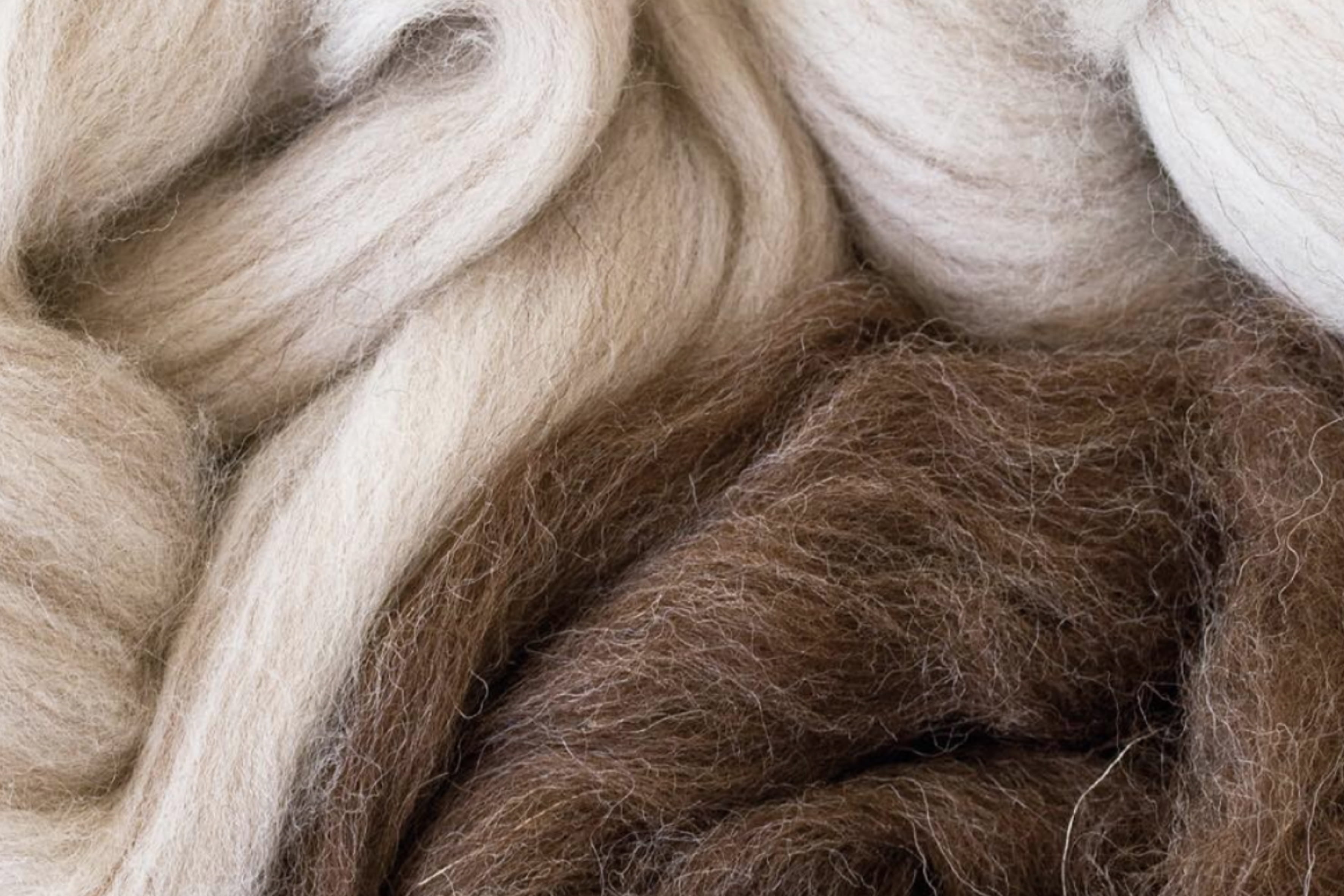
Natural fibers, when grown, raised, and processed responsibly, remain a cornerstone of this approach. They are durable, comfortable, biodegradable materials that help reduce environmental impact compared to synthetic fibers derived from petroleum.
But innovation is also offering new solutions: regenerated fibers from pre- and post-consumer textile waste, or fibers derived from agricultural and forestry by-products. The goal is to create a system where nothing is wasted, where the end of a garment’s life becomes the beginning of a new product.
This is also where customer responsibility comes in: buying less but better, repairing instead of discarding, choosing versatile garments that can be worn on different occasions. Because environmental sustainability is not only a production issue, it is, above all, a matter of habits.

Oscalito’s concrete commitment to a cleaner future
Talking about environmental sustainability and carbon neutrality is important, but what truly makes a difference are everyday actions. In this regard, our philosophy has always been to make environmental responsibility an integral part of how we do business, taking action on multiple fronts.
At the product level, our eco-design philosophy guides every step of garment creation: reduced seams, the use of tubular fabrics, and certified natural fibers to ensure comfort and long-lasting wear, while also making recycling and biodegradability easier. In 2023, 32% of our production was made up of single-material garments and 69% of non-seasonal items, helping to slow down consumption and reduce resource waste.
Packaging has also been redesigned with sustainability in mind: we use bags made from bioplastic sourced from sugarcane (60%) and recycled cardboard, significantly cutting emissions associated with packaging.
On the energy front, since 2021 Oscalito has purchased 100% of its electricity from renewable sources and has installed solar and geothermal systems to power and heat its production facility. In 2023 alone, over 60,000 kWh of energy were self-generated from solar power, resulting in a direct reduction in greenhouse gas emissions.
Finally, we conduct an annual Carbon Footprint assessment of our facility, carried out according to the GHG Protocol guidelines and in collaboration with the Center4SharedValue at the University of Turin. This allows us to precisely monitor our progress and identify new areas for improvement. It’s a transparent and measurable approach, aligned with international climate goals.
Looking Ahead: the Fashion We Want
Imagining a carbon-neutral fashion industry is not a utopia but a tangible necessity, if approached with determination and collaboration. It will require investment, research, and new legislation that rewards responsible companies and discourages those who continue to ignore their environmental impact. But it will also require a cultural shift that restores value to time, quality, and respect for the planet.
The future of fashion cannot be a blind race toward the next collection. It must become a conscious journey toward garments made to last, designed to tell stories of respect and beauty. Sustainability is not a destination, but a daily commitment built on consistent, meaningful choices.
Every step toward carbon neutrality, every investment in renewable energy, every refusal to follow the lure of fast fashion is a seed planted for the future. A future where dressing well also means living in harmony with the planet we call home.