




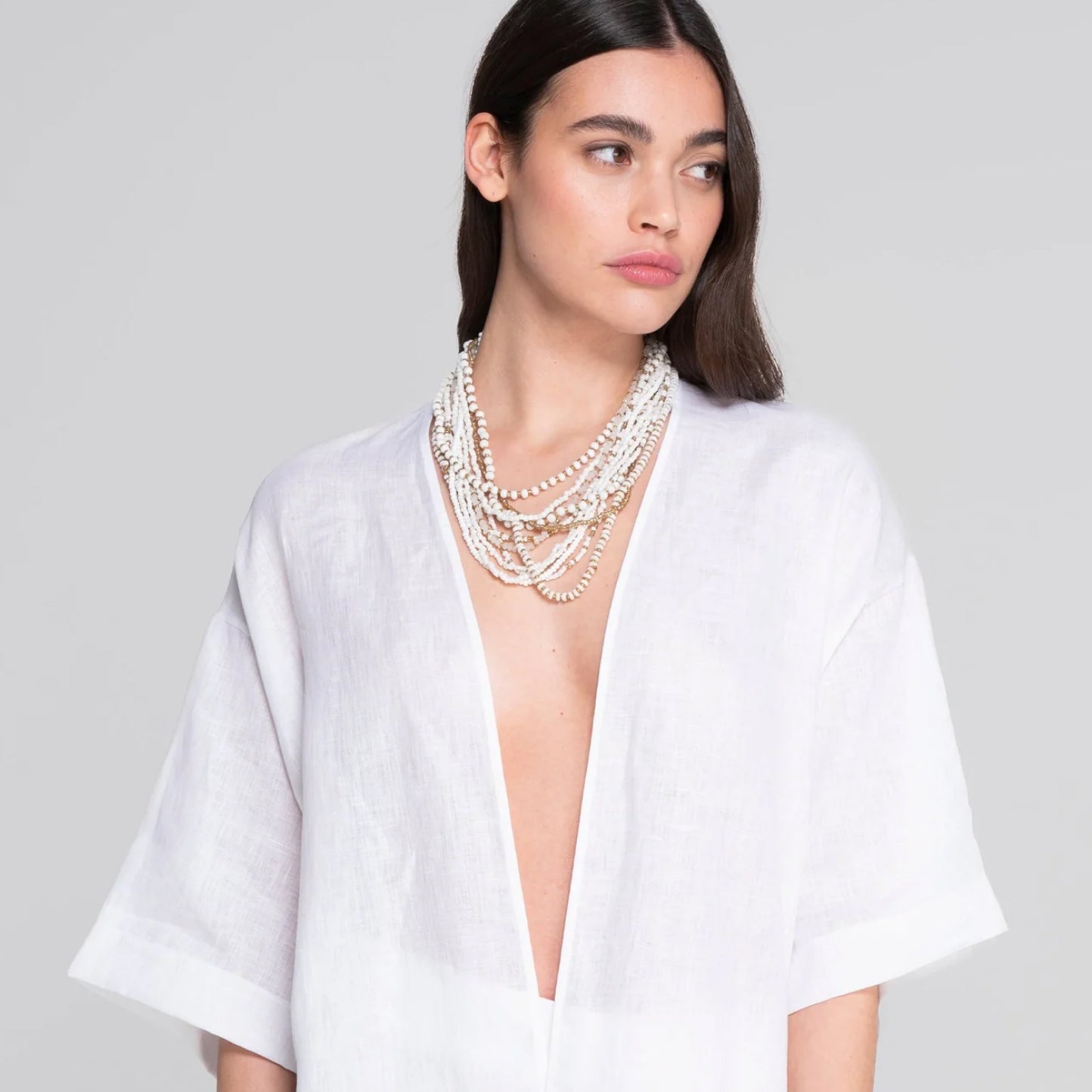

Organic Cotton: The Natural Fiber That Cares for Your Skin and the Planet
There’s an invisible thread that connects our skin to the earth: the thread of cotton. One of the oldest and most precious natural fibers, it has dressed humanity for millennia with its softness and versatility. It’s found in breezy summer fabrics and cozy winter knits, in everyday essentials and in garments made for special occasions. It’s a living material that moves with the body, and when chosen in its purest form, it becomes an ally for both wellbeing and the environment.
Today, that thread can be even more authentic, more responsible, more in tune with nature’s rhythm. Organic cotton, or biological cotton, cultivated without pesticides, chemical fertilizers, or genetically modified seeds, is grown in harmony with the land and the people who work it. It’s a fiber that doesn’t just clothe the body, but tells a story of sustainability, ethics, and care, offering a direct and healthy connection to the skin.
In this article, we’ll explore what makes organic cotton different from conventional cotton, why it’s considered one of the most sustainable natural fibers, how its cultivation is managed, and why choosing garments made from organic cotton benefits not only those who wear them but also those who grow them and the planet itself.

Table of Contents
- Cotton: An Ancient Material, More Relevant Than Ever
- From Field to Fabric: The Virtuous Cycle of Organic Cotton
- Why Organic Cotton Is Truly Sustainable
- How to Recognize Authentic Organic Cotton Fabric
- The Value of a Choice: Fashion and Everyday Well-being
Cotton: An Ancient Material, More Relevant Than Ever
Cotton is one of the most important raw materials in human history. Used for over 7,000 years, it has won the world over with its softness, durability, and versatility. It’s the natural fiber par excellence, capable of adapting to different climates and cultures. Despite increasing competition from synthetic fibers, cotton remains one of the most significant raw materials in the textile industry: in 2020, it accounted for about 24% of global fiber consumption, while in the past it made up nearly half.
But its traditional production comes with a darker side: the heavy use of pesticides, chemical fertilizers, and water. Intensive cotton farming requires enormous amounts of water, pesticides, and chemicals. Producing just one kilogram of cotton can take several thousand liters of water, a figure that becomes even more concerning when you consider that many cotton fields are located in regions suffering from water scarcity, where the natural regeneration rate of water is not respected. Beyond its environmental impact, there’s also a social cost: the conventional cotton industry is often associated with poor working conditions and low wages.
This is why we need to rethink this extraordinary material in a sustainable way. Sustainable cotton, and particularly organic cotton, is the most tangible solution: a fiber that retains all the aesthetic and functional qualities of conventional cotton but is produced through ethical and environmentally friendly processes. It’s a return to the origins, with the awareness and technology of today.

From Field to Fabric: The Virtuous Cycle of Organic Cotton
Organic cotton is the most concrete answer to the challenges of conventional production. Its cultivation excludes pesticides, chemical fertilizers, and genetically modified seeds, respecting the natural cycles of the soil. Crop rotation preserves soil fertility, protects biodiversity, and reduces erosion. This approach goes beyond fiber quality, it embodies a broader concept of respect for the environment and local communities.
After manual or mechanical harvesting, the cotton bolls are ginned to separate the seeds from the fibers. These fibers are then cleaned and spun into cotton yarn through processes that, in the case of organic cotton, avoid aggressive chemical agents. The result is a purer yarn that retains the natural qualities of the fiber. Spinning and weaving are carried out according to strict standards to prevent contamination with non-sustainable fibers.
The final product is a fabric that combines beauty and performance: breathable, hypoallergenic, durable, and soft against the skin. A garment made from organic cotton is not just an aesthetic choice, it’s a conscious decision that brings the skin into direct contact with nature, offering lasting comfort and softness that withstands time and washing.
Why Organic Cotton Is Truly Sustainable
When we talk about sustainable cotton, it’s important to understand that sustainability isn’t just about cultivation, it’s about the entire supply chain. Organic cotton dramatically reduces water consumption, by up to 91% compared to conventional cotton according to Textile Exchange, and completely eliminates the use of chemical pesticides, protecting rivers, groundwater, and oceans from pollution.
But sustainability is also social. Choosing a certified garment helps ensure fair wages, safe working conditions, and respect for farmers’ rights. It supports communities that depend on cotton farming and that, thanks to organic practices, can thrive without compromising human health or the environment.

Organic cotton is a choice that combines environmental, ethical, and aesthetic values. It proves that fashion can be beautiful without being harmful, and that a high-quality garment can last for years, reducing the need for compulsive shopping. It’s a form of luxury that doesn’t shout but is felt on the skin and in the awareness of making a better choice.
How to Recognize Authentic Organic Cotton Fabric
Identifying real organic cotton isn’t always straightforward, but there are clear indicators. The first is certification: the Global Organic Textile Standard (GOTS) is the international benchmark for organic textiles, guaranteeing that at least 95% of the fibers are organic and that the entire supply chain meets strict environmental and social criteria. Other reliable standards include OEKO-TEX Standard 100 and Fairtrade Cotton.
On a sensory level, organic cotton is recognizable by its touch, a softness that doesn’t fade with washing and its long-lasting durability. It lacks the artificial “sheen” sometimes found in chemically treated fabrics and tends to have deeper, richer colors, thanks to gentler dyeing processes. Price can also be an indicator: genuine organic cotton garments are rarely extremely cheap, reflecting the value of an ethical and transparent supply chain.

Choosing certified natural fibers means investing in quality and wellbeing — not just for the wearer, but also for the people who produce them and for the environment that makes them possible. It’s a way to bring nature closer to the skin in an authentic, conscious way.
The Value of a Choice: Fashion and Everyday Well-being
Wearing an organic cotton garment means making a choice that goes beyond getting dressed. It’s deciding that your skin deserves contact with a pure, breathable fiber and that the planet deserves a more respectful form of agriculture. It’s also a way to support supply chains that guarantee dignity and safety for agricultural workers and that invest in farming practices that preserve biodiversity.
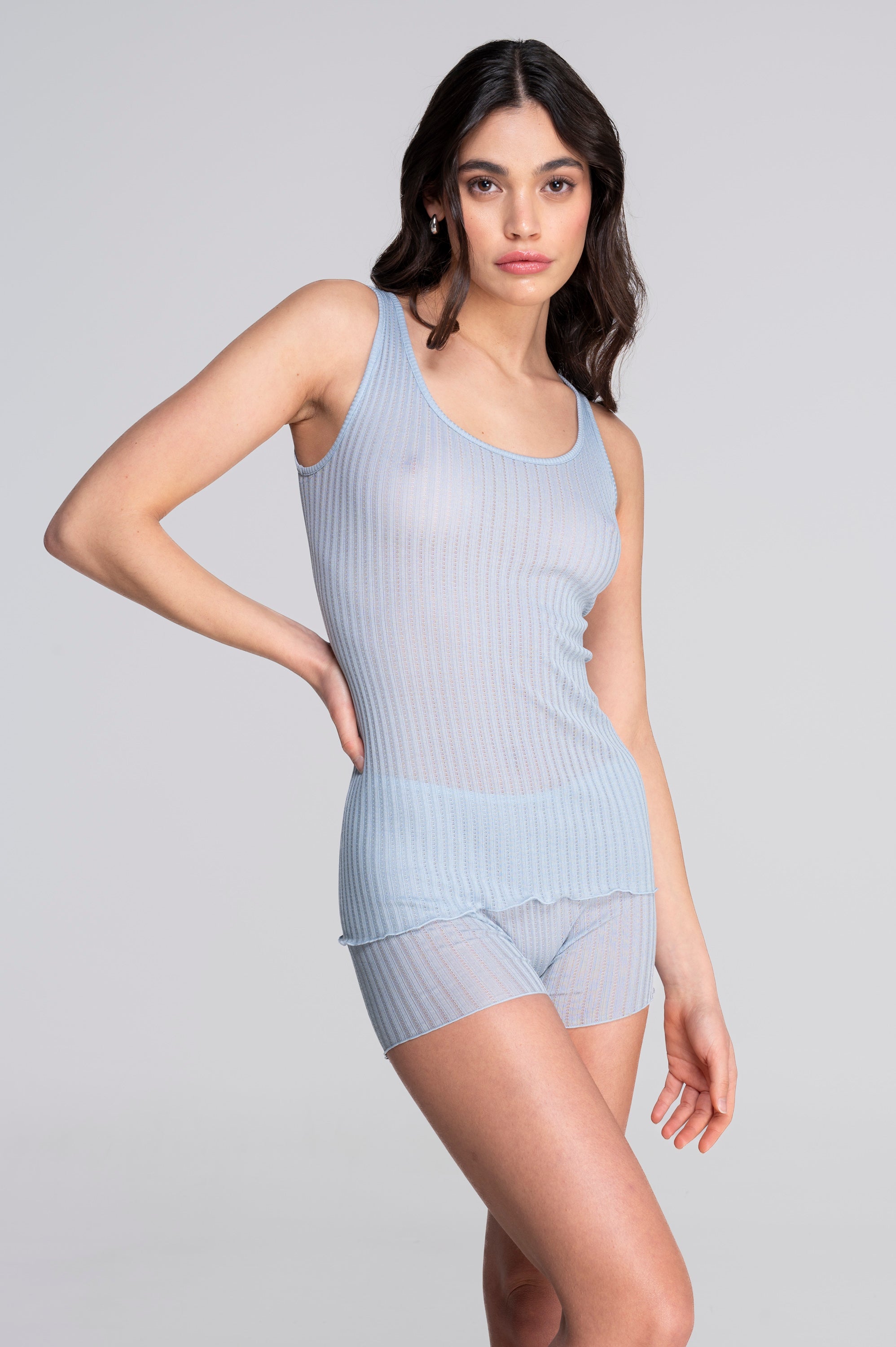
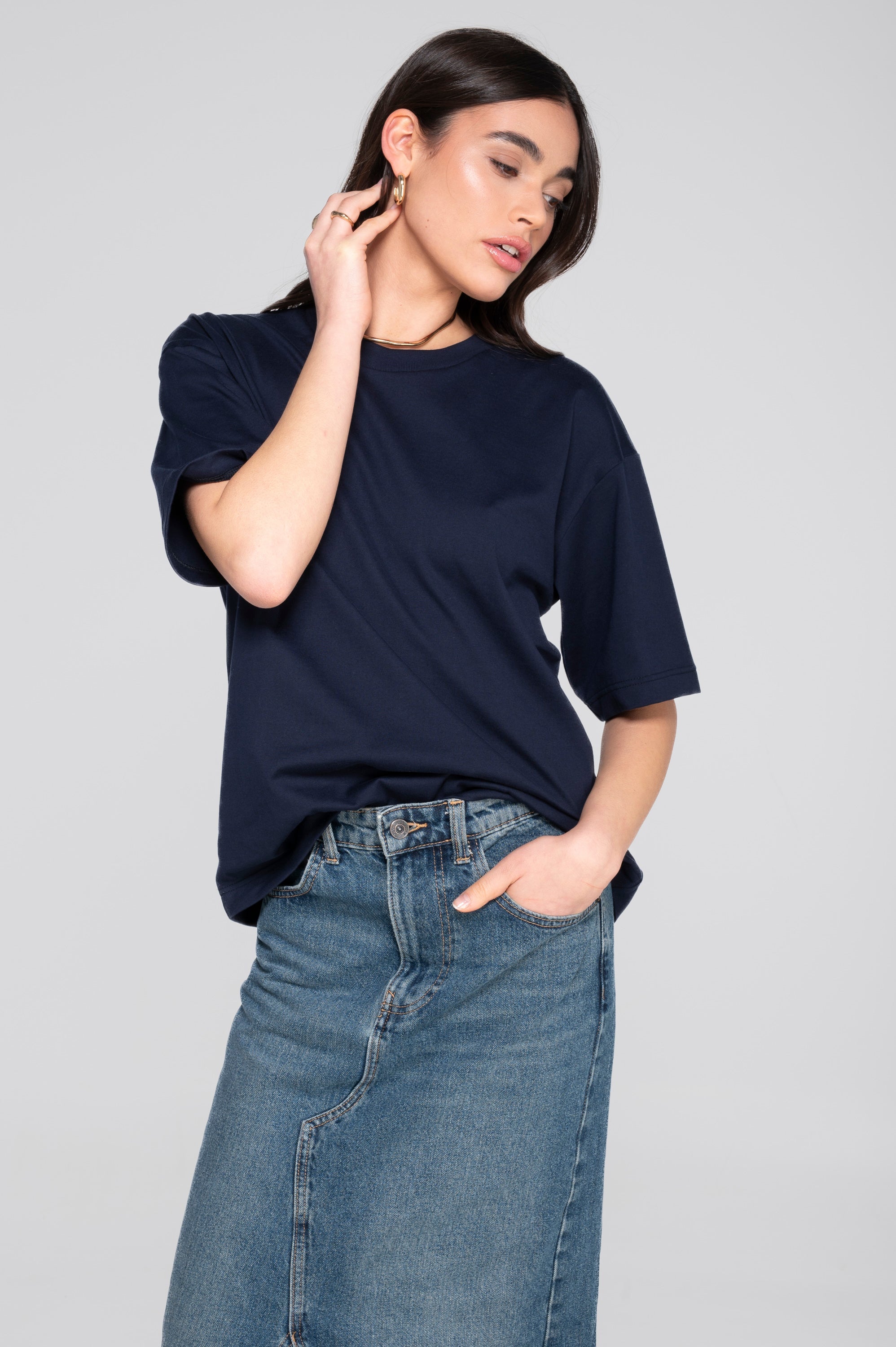
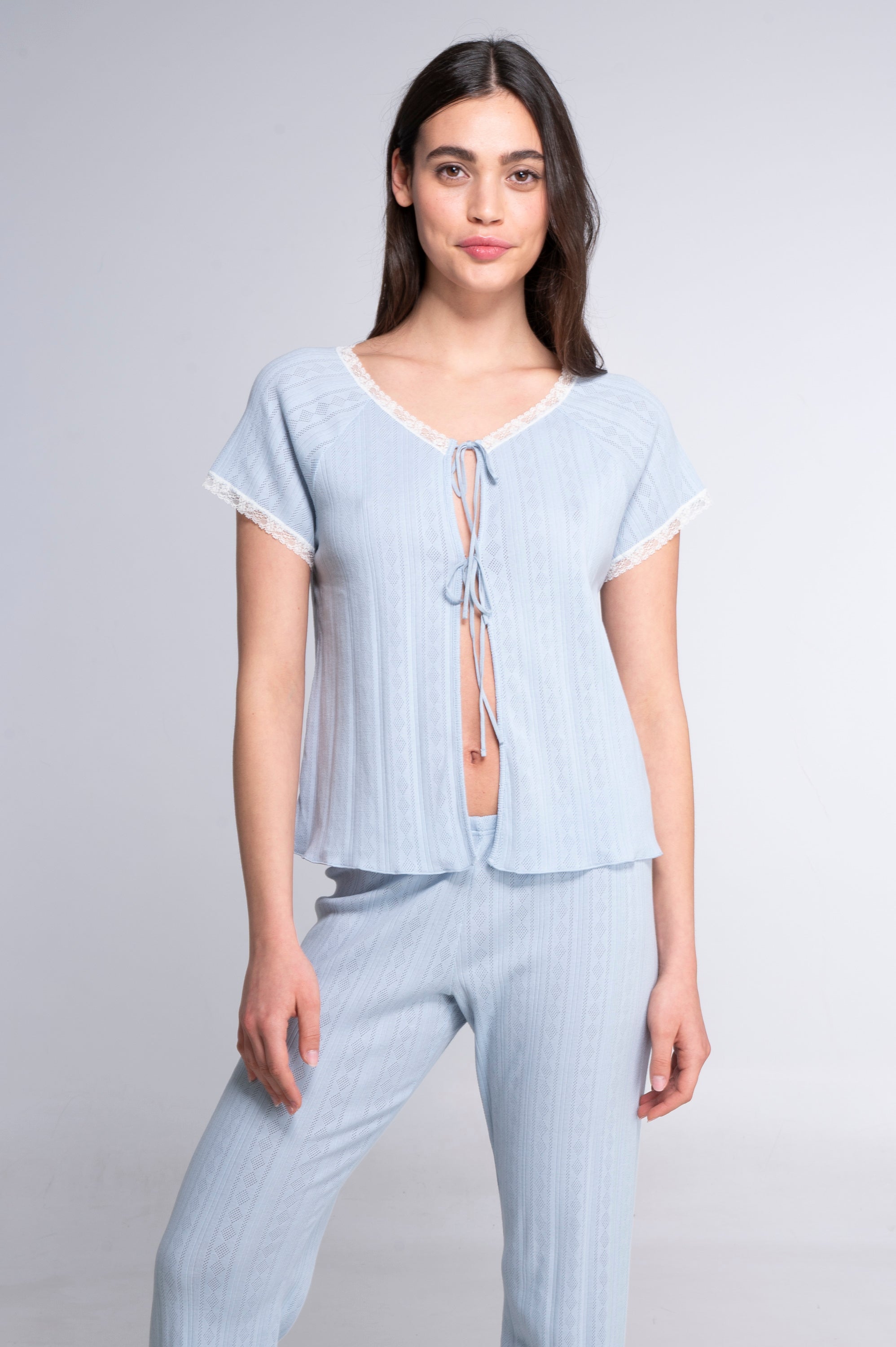
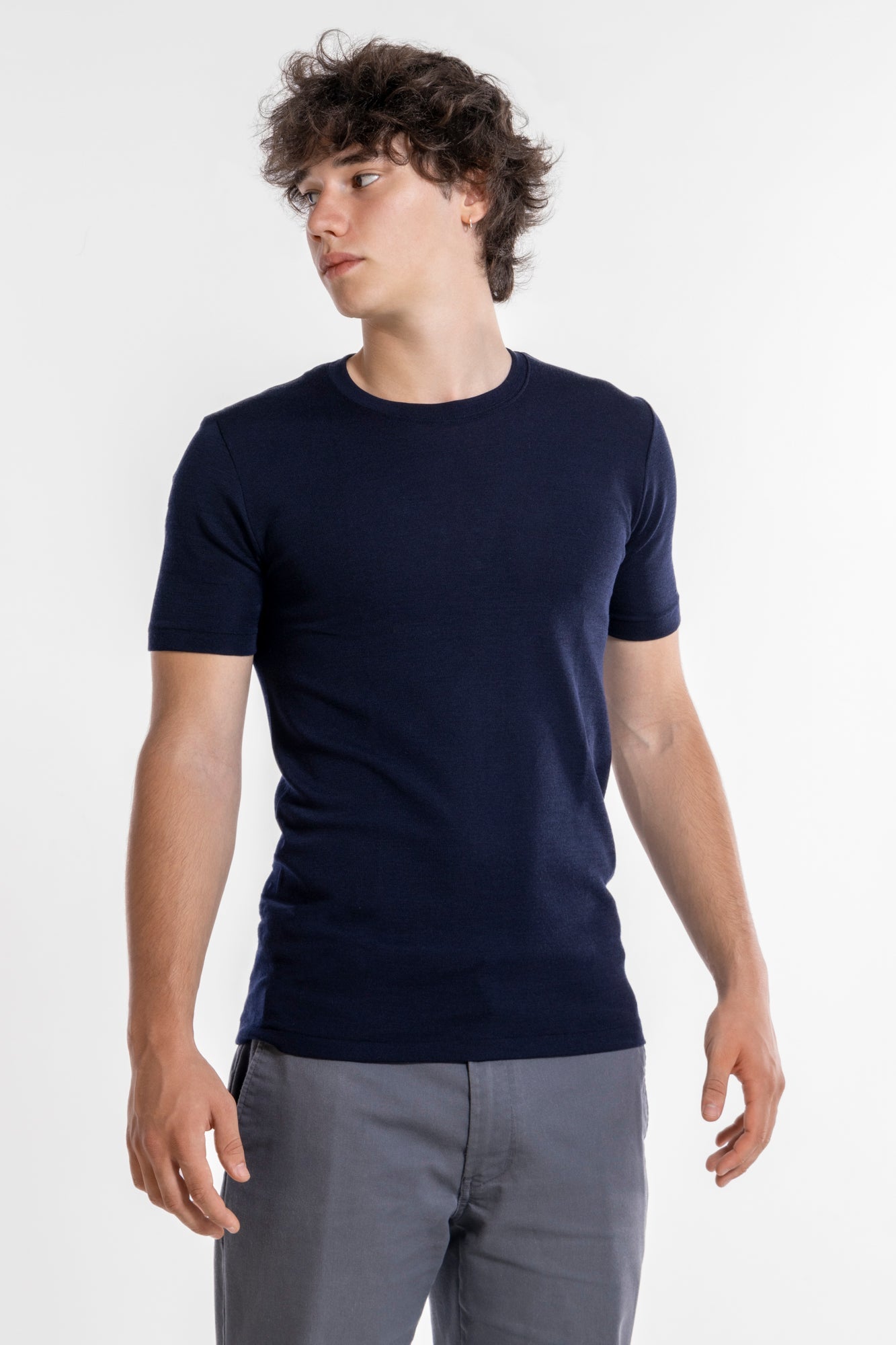
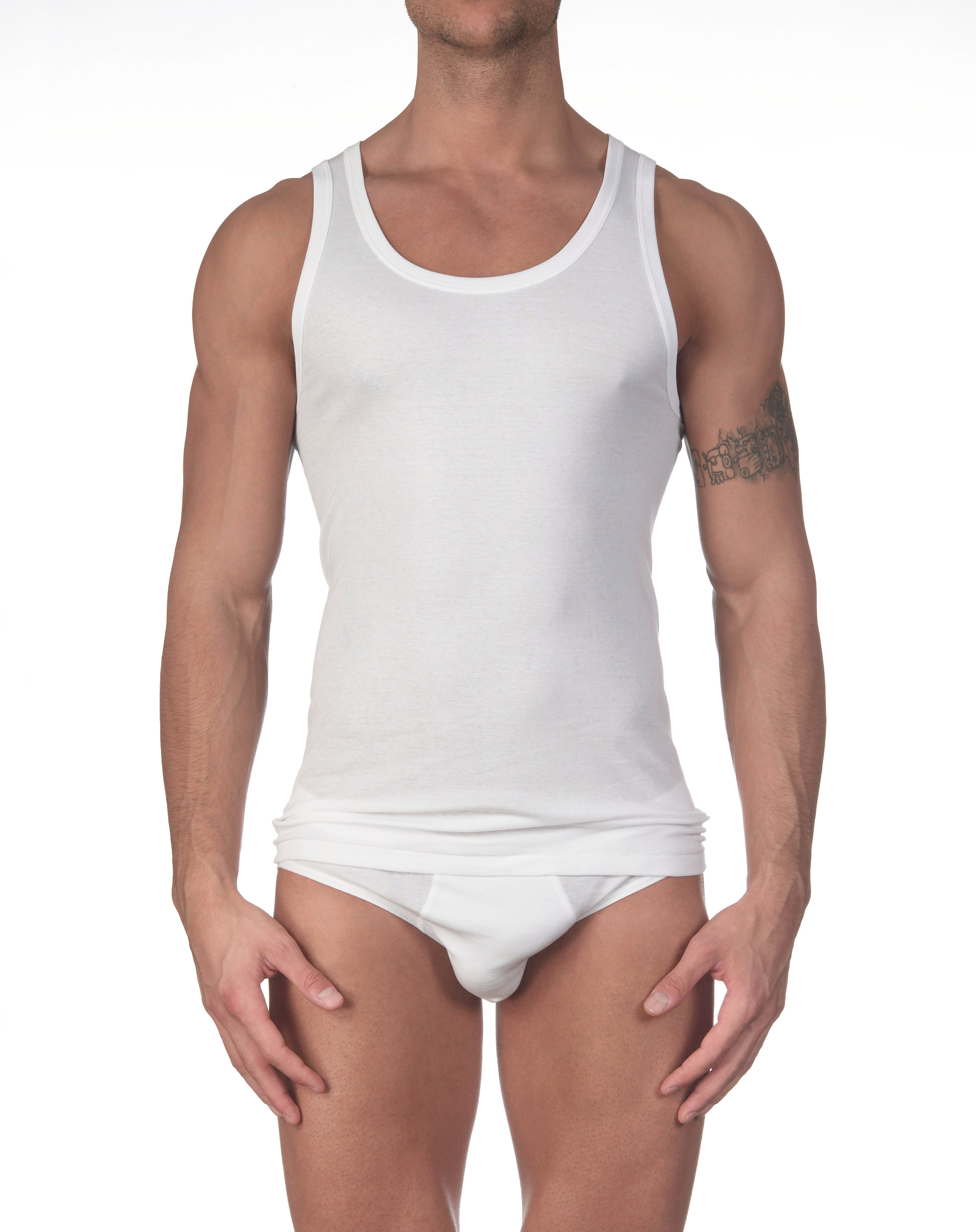
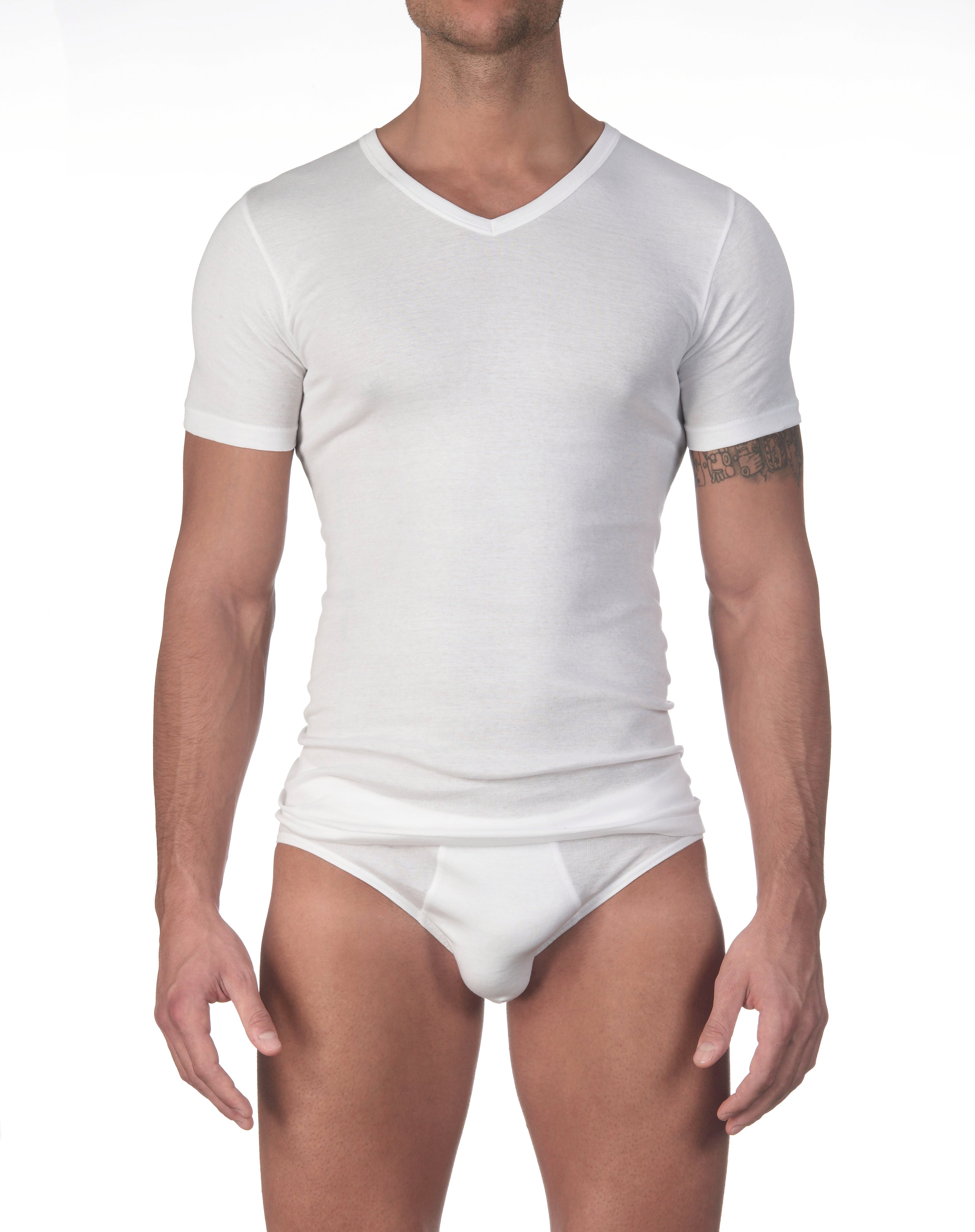
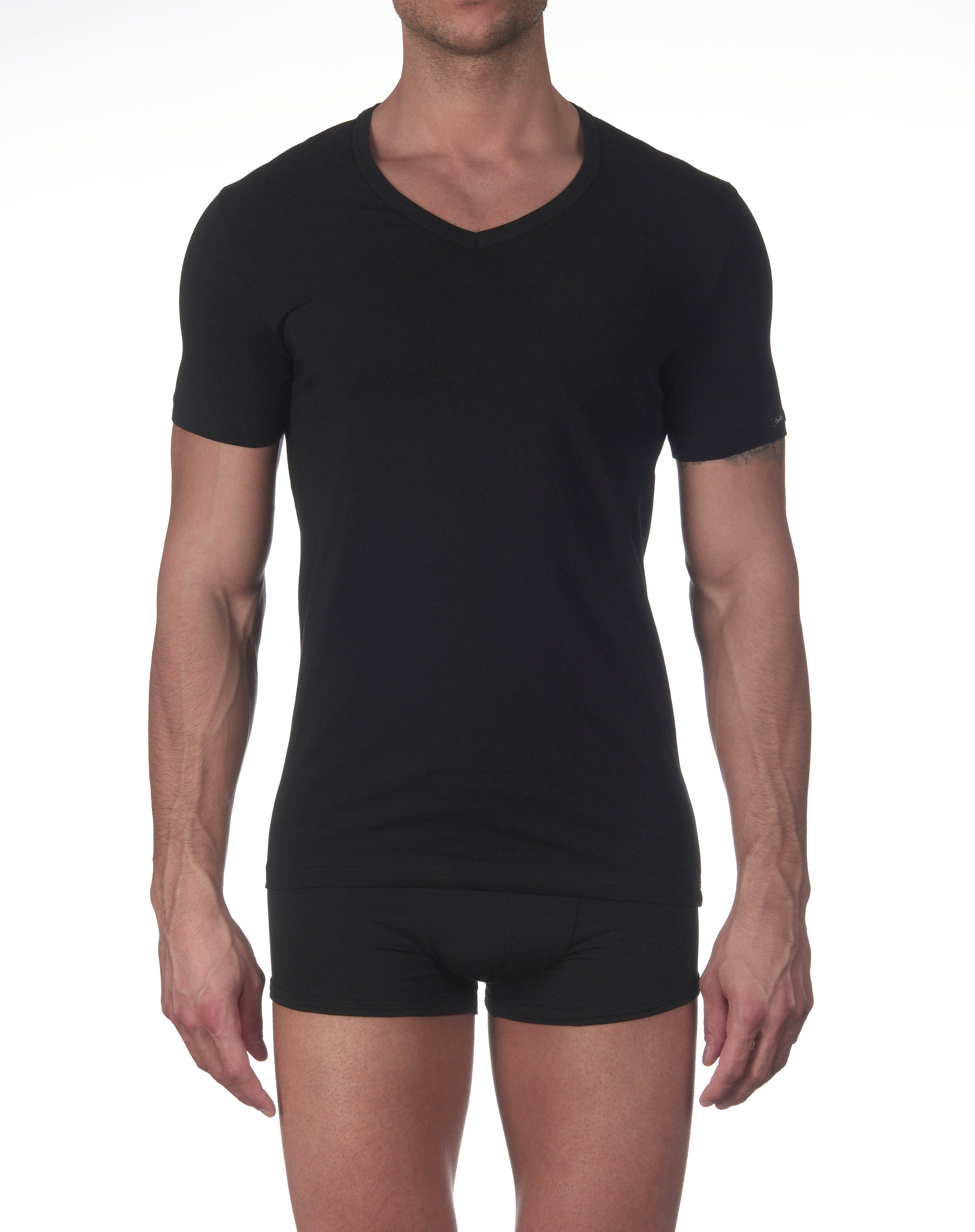
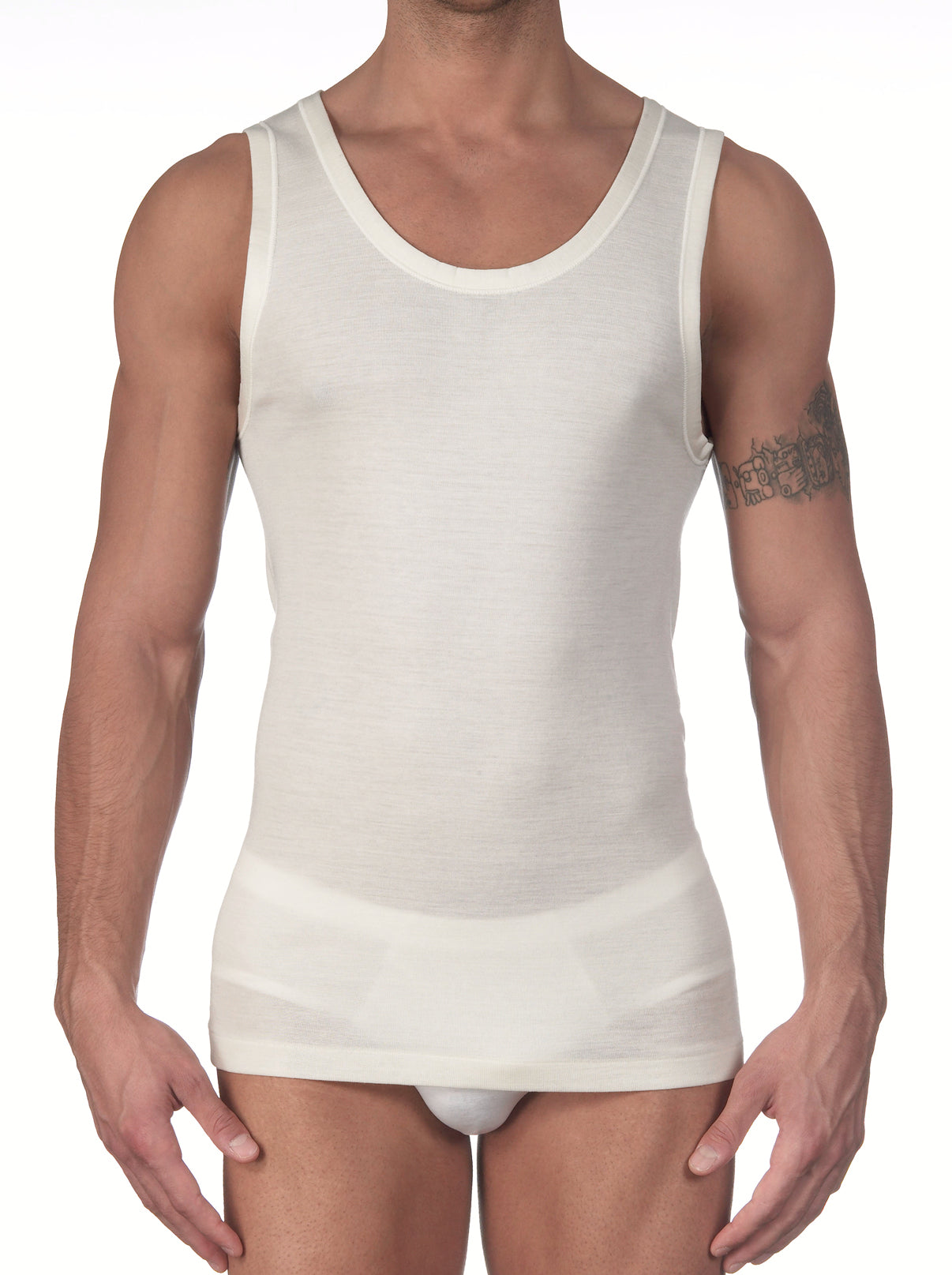
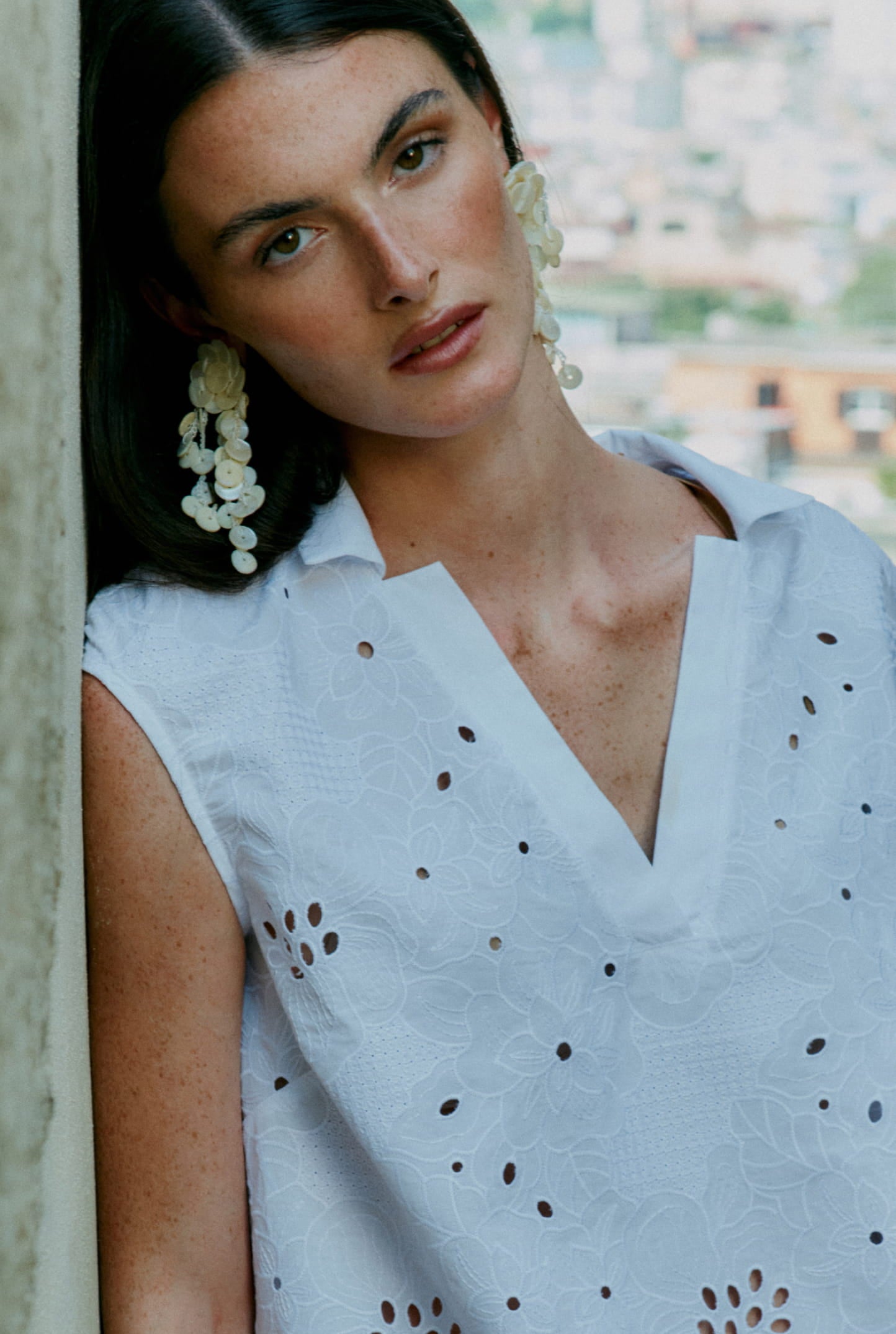
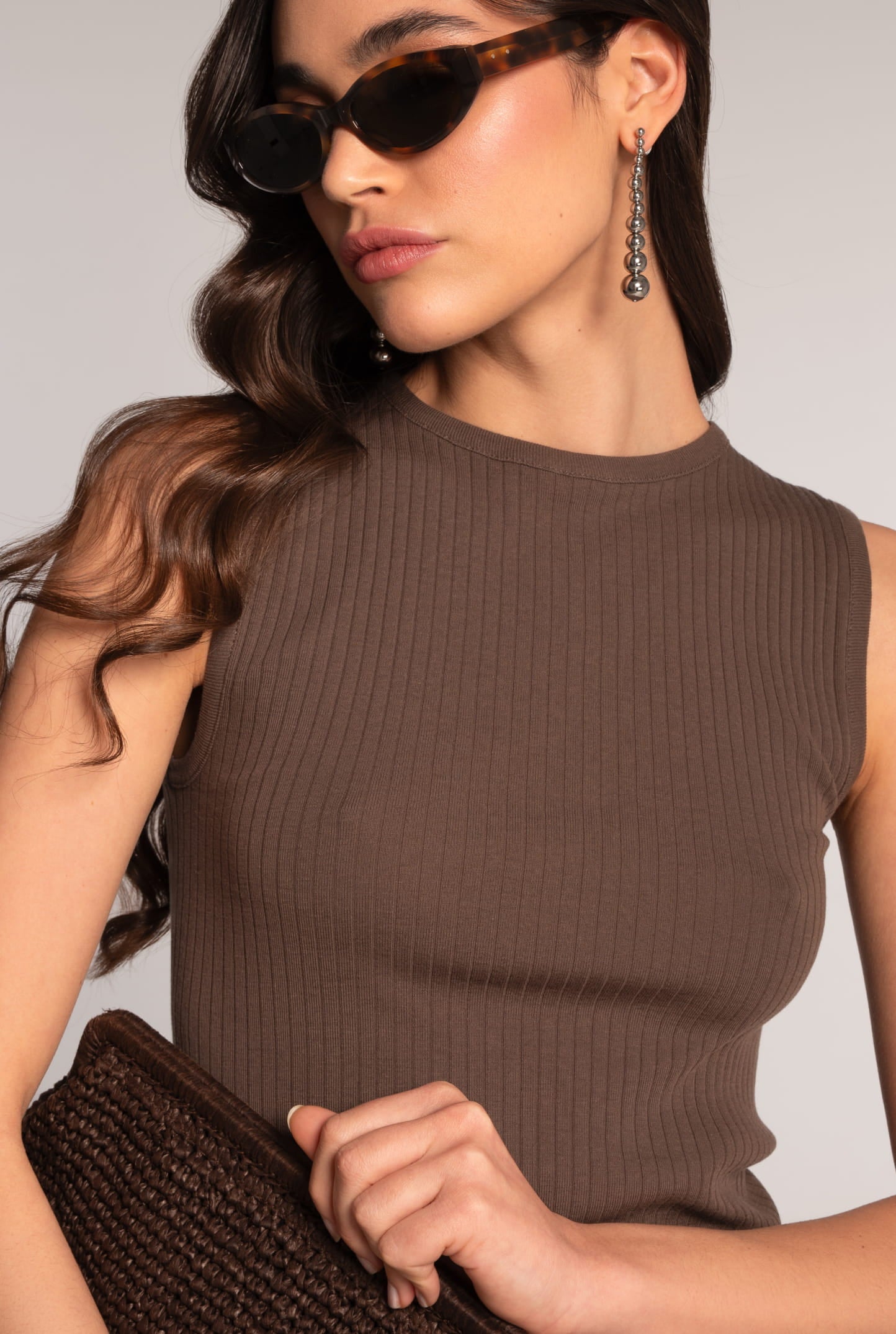
In everyday life, organic cotton offers comfort and durability. It withstands frequent washing, doesn’t irritate the skin, and keeps its color and shape longer. It’s a choice that blends aesthetics and functionality, leading to more mindful consumption: fewer purchases, but of higher quality. That’s why we design garments that interpret nature with elegance, like men’s shirts or women’s briefs, created to embrace the skin every day with softness and lightness.
Maybe this is what true luxury means today: opening your wardrobe and finding garments you never get tired of pieces that still have the same beauty and feel as they did the first day. And knowing that by choosing them, you’ve done something good for yourself, for the people who made them, and for the earth where it all began.